The Tap Guide
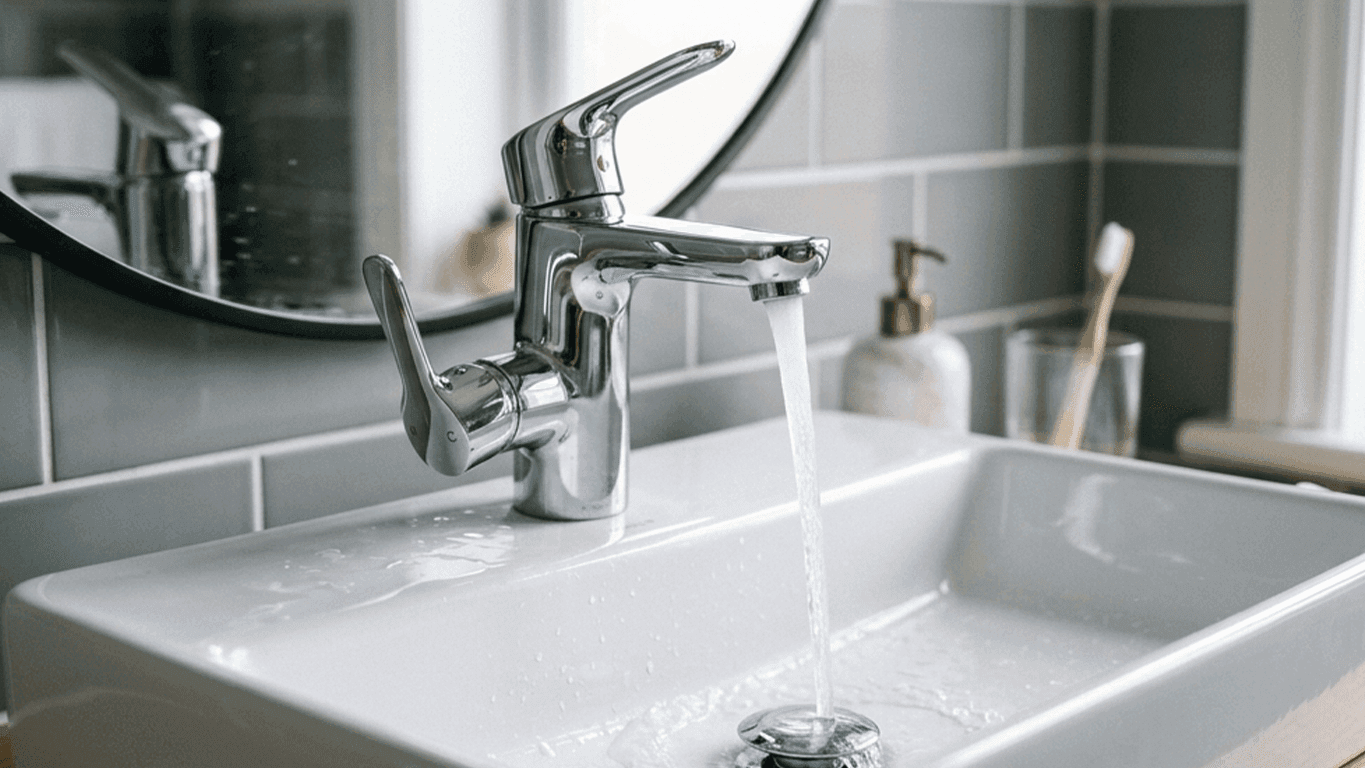
A tap that won't fully shut off is more urgent than a slow drip, but it's usually caused by exactly the same handful of worn parts. Here's how to stop the water quickly, then fix it properly.
Acting fast matters more here than with a slow drip, since a tap that won't close at all can waste a genuinely alarming amount of water in a short space of time, but the actual fix is rarely more complicated than a standard dripping tap repair.
First, stop the water at the isolation valve, not just the tap
If turning the handle further isn't stopping the flow, don't keep forcing it. Find the isolation valve for that tap, usually a small quarter-turn valve on the pipe just below the sink or basin, and turn it off there instead.
If there's no isolation valve fitted, use the main stopcock to shut off the whole house's supply while you sort the problem out. This buys you time to diagnose properly rather than standing over a running tap.
Why a tap stops shutting off properly
In almost every case, it comes down to the same internal part that causes a dripping tap in the first place, just worn badly enough that it can't seal at all rather than just letting a little water through.
Identifying which type of tap you've got determines the fix, and it's the same distinction covered in our guide on fixing a dripping tap: a traditional tap with handles that take a full turn almost always uses a washer, while a single lever tap almost always uses a ceramic disc cartridge.
Washer taps that won't close
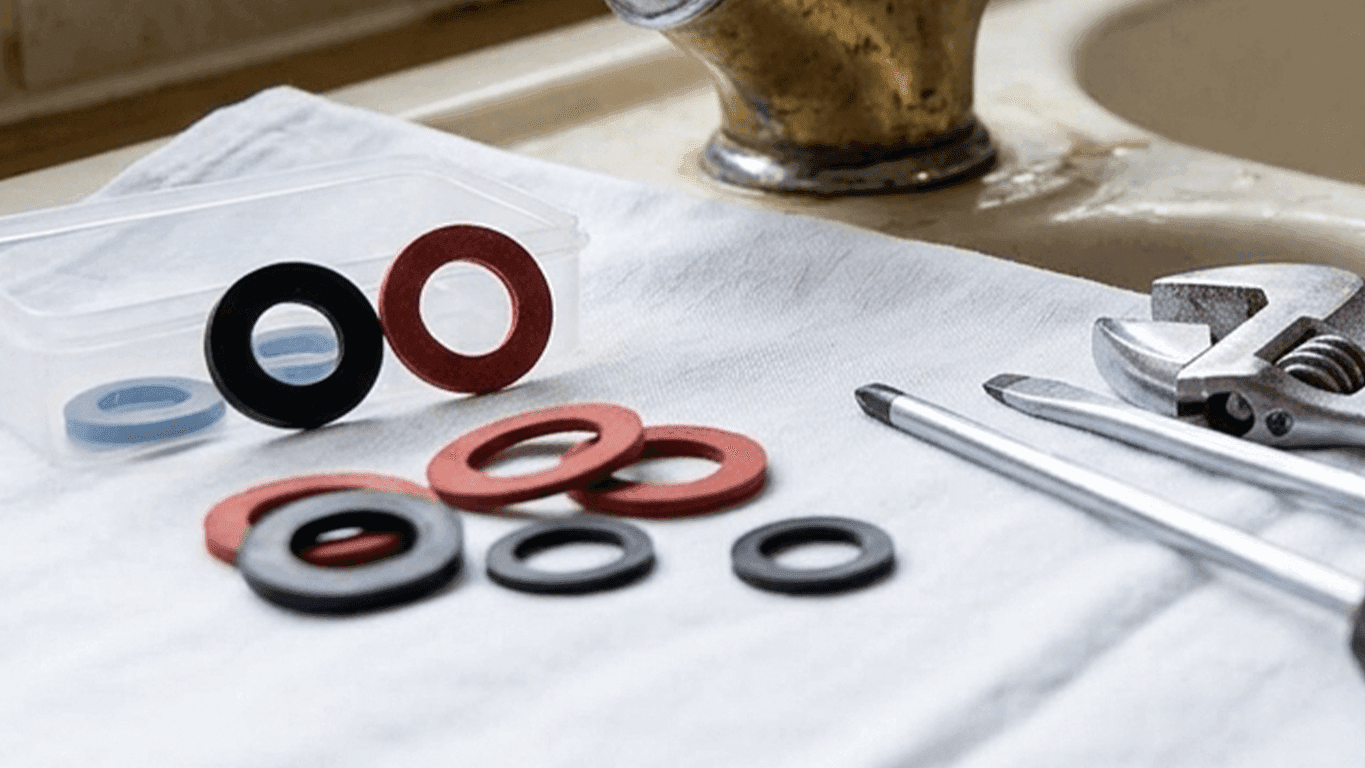
A washer that's badly perished or has come away from its seating can stop sealing altogether rather than just wearing thin. With the water isolated, remove the handle and headgear, then check the washer itself. If it's crumbling, torn, or clearly the wrong size for the valve seat, replace it following our full guide on replacing a tap washer.
Ceramic disc taps that won't close
Ceramic discs don't perish the way washers do, but a chip, crack, or a large piece of grit or limescale wedged between the two disc faces can stop them meeting flush, which sometimes shows up as a tap that won't fully close rather than the more usual slow drip. Removing the cartridge and inspecting it, covered in our guide on what a ceramic disc tap is, will usually show whether cleaning is enough or whether the whole cartridge needs replacing.
Sudden failure?
If a ceramic disc tap has stopped closing suddenly rather than gradually, suspect a chipped disc from the lever being forced or knocked hard, rather than ordinary wear. A chipped cartridge needs replacing whole; it can't be repaired.
When it's the valve seat, not the washer or cartridge
Occasionally the problem isn't the washer or cartridge itself but the valve seat it presses against, which can become pitted or scored over years of use. A new washer or cartridge fitted against a damaged seat still won't seal properly, in which case a seat reseating tool, or replacing the tap entirely if it's old enough, is the next step.
If nothing works and water is still running
If you've isolated the supply and the tap still won't stop dripping or running from the isolation valve itself, the valve may be faulty rather than the tap. In that situation, or if you can't safely locate or operate your isolation valves or stopcock at all, it's worth calling a plumber straight away rather than leaving water running while you investigate further.
Outdoor taps that won't turn off
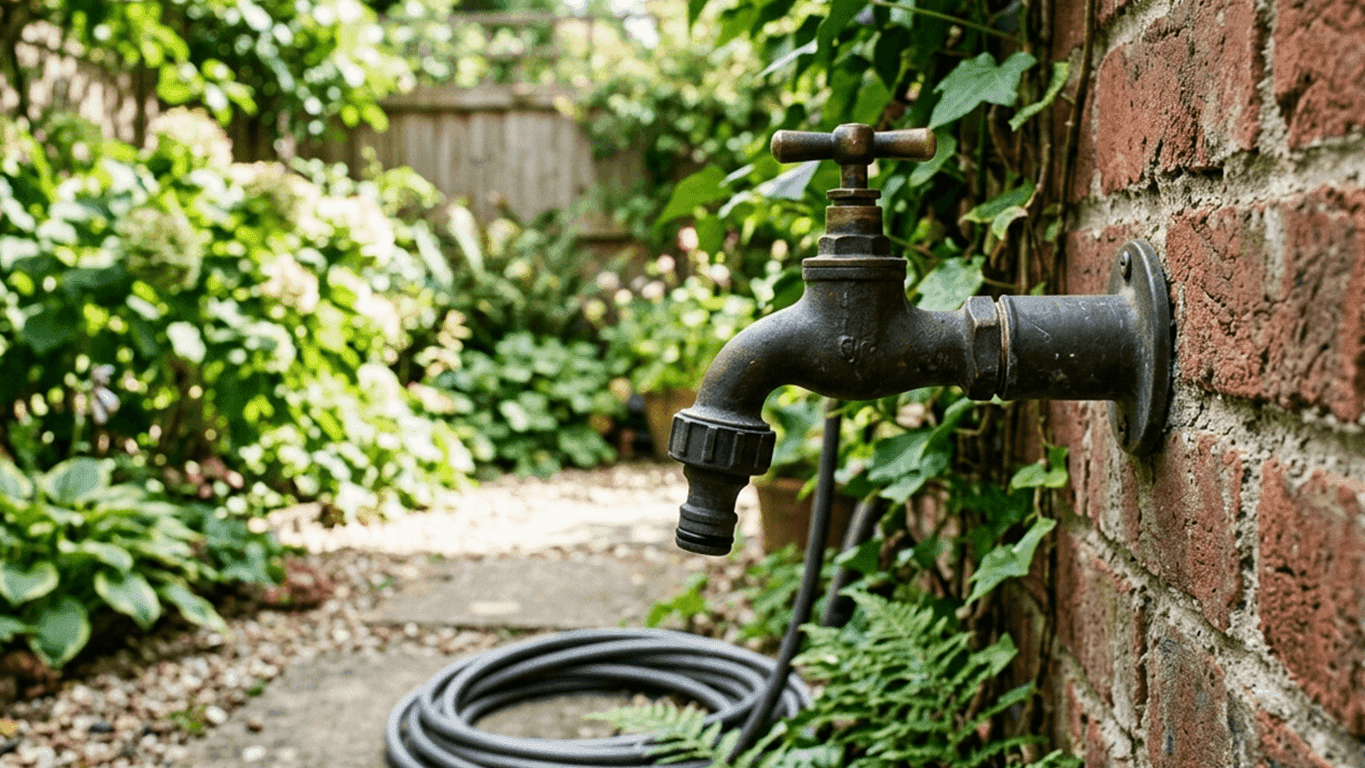
The same principles apply to an outdoor tap, though a seized or corroded mechanism is more common outside, since it's exposed to the weather all year round. Isolate the internal supply feeding it first, and expect a seized outdoor tap to need a bit more releasing fluid and patience than an equivalent indoor one, since corrosion tends to be worse on an exposed fitting.
If it's an old, non-frost-proof tap that's finally given up, it's often more sensible to replace it outright with a proper frost-proof model rather than keep repairing it. Our guide on choosing an outdoor tap covers what to look for.
Preventing it from happening again
A tap that's needed this fix once is worth keeping an eye on afterward, particularly if the cause was general wear rather than a one-off piece of grit or debris. Taps in hard water areas are especially prone to repeat problems as limescale builds up on internal parts, so it's worth reading our guide on cleaning limescale from taps if this has happened more than once on the same fitting.
What fixing it actually costs
A replacement washer costs under £1, and an assorted pack covering common sizes runs to £3 to £5 (prices as of our last check). Ceramic disc cartridges cost more, typically £10 to £40 depending on the tap's brand and model. If a plumber is needed for an emergency callout because water won't stop at all, expect to pay a premium over a scheduled visit, often £80 to £150 depending on the time of day and your area.
Compared with the cost and stress of an unattended running tap, even an emergency callout is usually the sensible choice over trying to force a repair you're not confident with. It's a one-off cost rather than a recurring one, provided the underlying part is actually replaced rather than just patched.
Keeping a couple of spare washers and knowing where your isolation valves are costs nothing and means most future incidents never reach emergency callout territory at all. And if you ever have the opposite problem, our guide to a tap that won't turn on works through the usual causes.
What makes it worse
- Forcing the handle harder rather than isolating the water. This rarely fixes the problem and can damage the tap further, making the eventual repair harder.
- Not knowing where your isolation valves or stopcock are before you need them. Find them now, before there's an emergency, rather than searching under a sink with water running.
- Assuming a new washer will fix a pitted valve seat. If the seat itself is damaged, no washer will seal against it properly, however well matched.
- Ignoring a tap that's stopped closing "mostly" rather than completely. A tap that only drips slowly when off can quickly become one that won't close at all, so it's worth fixing at the first sign rather than waiting.
- Leaving water running while trying to diagnose the problem. Isolate the supply first, then take your time working out what's actually wrong.
Once it's fixed, or if the tap's old enough that it's simpler to replace outright, our guide on installing a tap yourself covers fitting a new one, and WaterSafe can help you find an approved plumber if you'd rather not tackle it yourself. A tap that won't turn off outside is also worth sorting before winter, so our top 10 outdoor taps page is worth a look if yours needs replacing rather than repairing.