Our top pick1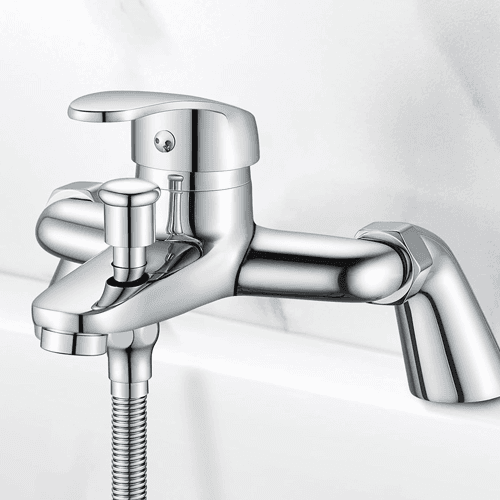
£31.99 (correct as of October 2026)
A deck-mounted bath filler with a simple one-piece design that suits most bathroom styles without standing out either way. Worth budgeting separately for a shower hose and handset, since neither is included in the box.
We like
- H59 brass body with PVD plating resists corrosion and rust
- Ceramic valve core for smooth, drip-free operation
- Lift-button diverter switches between bath spout and shower outlet
- Simple one-piece design suits most bathroom styles
Worth checking
- Shower hose and handset are not included, so budget for those separately
- No stated flow rate in the listing
- Item dimensions
- 16 x 18 x 17cm (D x W x H)
- Connections
- G1/2 shower outlet, G3/4 26mm bath supply
- Handles
- 1 (lever, centre)
- Valve
- Ceramic
- Material
- H59 brass
- Finish
- Polished chrome (PVD)
- Spout design
- Traditional curve
- Mounting
- Deck or wall mount
Specifications above listed by Amazon and may change. Check the current listing before buying. If we've got something wrong, let us know and we'll fix it.
2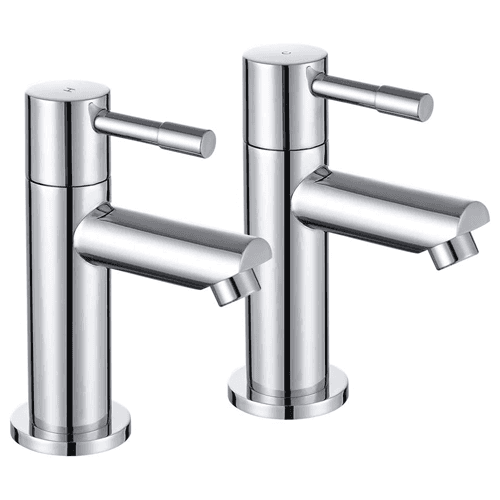
£32.99 (correct as of October 2026)
A traditional pair of pillar bath taps, well suited to a period-style bathroom where a single mixer wouldn't fit the look. Deck mounted across two standard bath holes for a straightforward like-for-like swap.
We like
- Lead-free 304 stainless steel resists corrosion and is sturdier than most
- Four-layer nickel, chromium, and titanium electroplating resists rust and fading
- Brass disc cartridges with 1/4-turn handles prevent leaking
- Two independent taps run concurrently for a noticeably quicker fill
Worth checking
- Two separate taps rather than a single mixer, so no blended temperature control
- No stated flow rate or minimum pressure in the listing
- Spout height
- 80mm
- Handles
- 2 (lever, centre, sold as a pair)
- Valve
- Brass disc cartridge
- Material
- 304 stainless steel (lead-free)
- Finish
- Chrome
- Spout design
- Traditional curve
- Mounting
- Deck mount, 2 holes
Specifications above listed by Amazon and may change. Check the current listing before buying. If we've got something wrong, let us know and we'll fix it.
3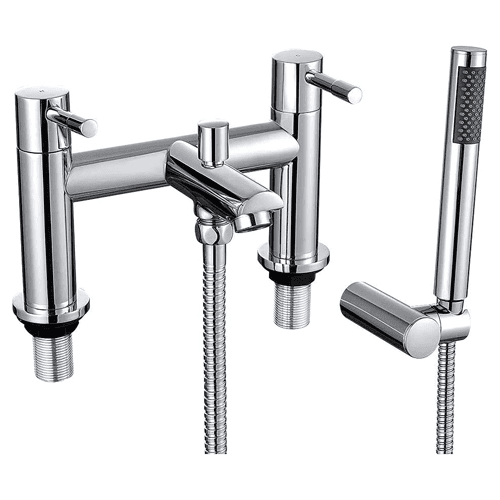
£54.99 (correct as of October 2026)
A dual-lever bath and shower mixer that works across an unusually wide pressure range, from a weak gravity fed system right up to 10 bar. Everything you need comes in the box, so there's nothing extra to buy before you can use it.
We like
- Brass disc cartridges with 1/4-turn handles for smooth, leak-free control
- Four-layer nickel, chromium, and titanium electroplating resists rust and fading
- Wide 1 to 10 bar pressure range suits most water systems
- Complete kit includes a handheld shower, 1.5m hose, and mounting bracket
Worth checking
- No stated flow rate in the listing
- Spout height
- 71.3mm
- Water pressure
- 1-10 bar
- Handles
- 2 (lever, centre)
- Valve
- Cartridge
- Material
- Brass
- Finish
- Chrome
- Connectors
- G3/4"
- Includes
- Handheld shower, 1.5m hose, bracket
Specifications above listed by Amazon and may change. Check the current listing before buying. If we've got something wrong, let us know and we'll fix it.
4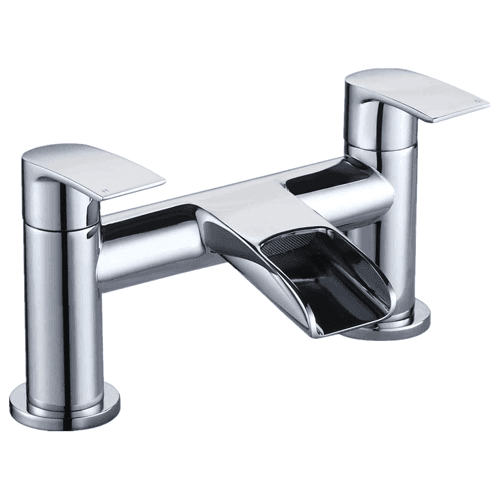
£55.99 (correct as of October 2026)
A waterfall-spout bath filler built to move a serious volume of water, worth a look if you're tired of waiting around for the tub to fill. Check your water pressure meets the 0.5 bar minimum before buying.
We like
- Wide waterfall spout moves a large volume of water for a fast fill
- Ceramic cartridges tested to 500,000 cycles for drip-free use
- Solid brass construction with a mirror-bright chrome finish
- Clearly marked hot and cold handles for easy adjustment
Worth checking
- Needs at least 0.5 bar pressure, not suited to a weak gravity fed system
- Two handles rather than a single lever for one-handed adjustment
- Spout height
- 70mm
- Minimum pressure
- 0.5 bar (1 bar recommended)
- Handles
- 2 (lever, left/right)
- Valve
- Cartridge
- Material
- Brass
- Finish
- Chrome
- Spout design
- Waterfall wide-mouth
- Mounting
- Deck mount
Specifications above listed by Amazon and may change. Check the current listing before buying. If we've got something wrong, let us know and we'll fix it.
5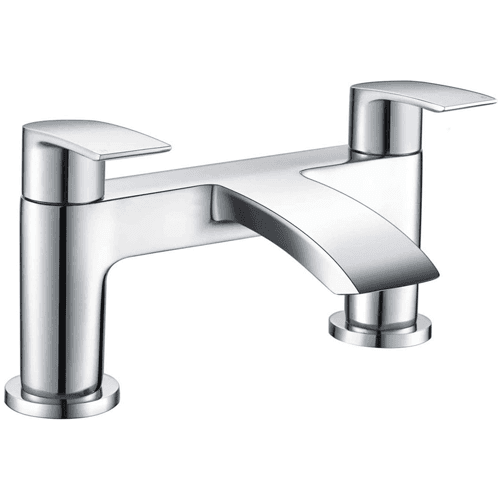
Currently out of stock
£55.99 (correct as of September 2026)
A waterfall bath filler with a noticeably heavier build than most rivals at this price, which usually means sturdier construction underneath, making it a solid mid-range pick if you want a waterfall spout without stretching to a premium brand.
We like
- H59 brass with under 0.25% lead content, heavier than most rivals
- Multilayer polished chrome resists fingerprints and water spots for a lasting shine
- Copper disc cartridges rated for 300,000 cycles for leak-free use
- Wide waterfall spout moves plenty of water to speed up filling
Worth checking
- No stated flow rate or minimum pressure in the listing
- Two handles rather than a single lever for one-handed adjustment
- Spout height
- 70mm
- Spout reach
- 120mm
- Handles
- 2 (lever, left/right)
- Valve
- Copper disc cartridge
- Material
- Brass, ceramic, copper
- Finish
- Polished chrome
- Spout design
- Waterfall
- Mounting
- Deck mount, 2 holes
Specifications above listed by Amazon and may change. Check the current listing before buying. If we've got something wrong, let us know and we'll fix it.
6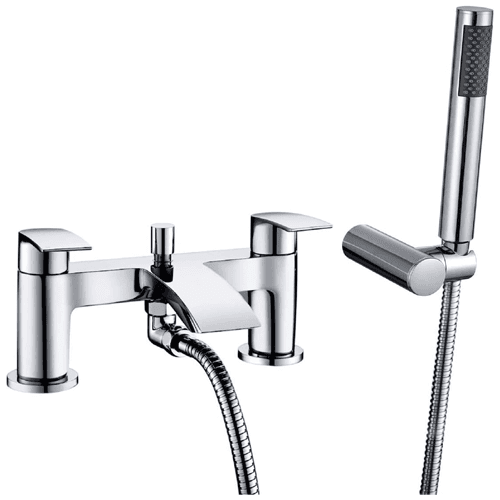
£64.99 (correct as of October 2026)
A waterfall bath and shower mixer that comes as a complete kit, so there's nothing extra to track down before fitting it. Bath filling and a shower option from one tap make it a solid all-rounder.
We like
- Shower head works handheld or wall-mounted on its fixed bracket
- Advanced brass cartridges for smooth, leak-free operation
- Multilayer polished chrome resists fingerprints and water spots for a lasting shine
- Complete kit includes shower hose and UK standard G3/4 connectors
Worth checking
- No stated flow rate or minimum pressure in the listing
- Two handles rather than a single lever for one-handed adjustment
- Spout reach
- 120mm
- Shower head size
- 2.5 inches
- Handles
- 2 (lever)
- Valve
- Brass cartridge
- Material
- Brass
- Finish
- Polished chrome
- Connectors
- G3/4"
- Includes
- Handheld/wall-mount shower, hose, bracket
Specifications above listed by Amazon and may change. Check the current listing before buying. If we've got something wrong, let us know and we'll fix it.
7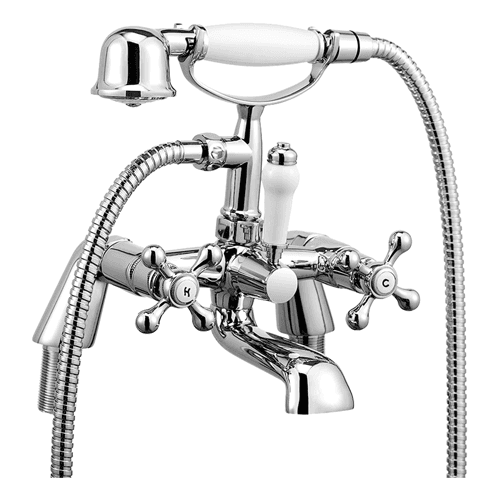
£65.99 (correct as of October 2026)
A Victorian-style telephone bath and shower mixer, a period look that suits a traditional bathroom far better than the waterfall-style fillers elsewhere on this list. Rated to 10 bar, so pressure shouldn't be a concern on most systems.
We like
- Classic Victorian telephone style with a cross dual-lever design
- 1/4-turn ceramic disc cartridges for quicker, smoother operation
- Handheld shower head designed for a comfortable spray pattern
- Four-layer chrome electroplating resists fingerprints and rust
Worth checking
- No stated flow rate or minimum pressure in the listing
- Two handles rather than a single lever for one-handed adjustment
- Spout reach
- 157mm
- Maximum pressure
- 10 bar
- Handles
- 2 (cross)
- Valve
- Ceramic disc (1/4 turn)
- Material
- Brass
- Finish
- Chrome
- Style
- Victorian telephone
- Mounting
- Deck mount
Specifications above listed by Amazon and may change. Check the current listing before buying. If we've got something wrong, let us know and we'll fix it.
8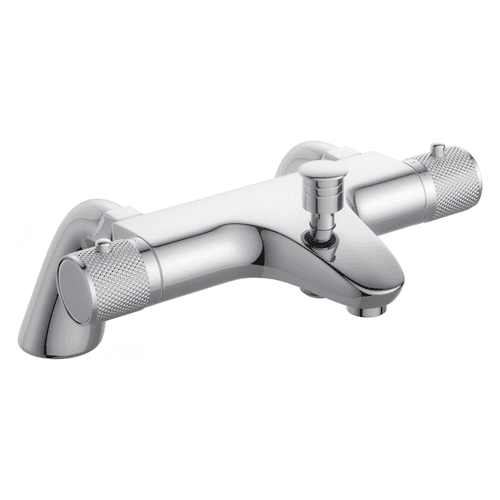
£65.99 (correct as of October 2026)
The only true thermostatic mixer on this list, holding your chosen temperature steady rather than needing manual adjustment if pressure changes elsewhere in the house. A real safety upgrade over the manual mixers here, at a price to match.
We like
- Genuine thermostatic control locks at 38°C to prevent scalds and cold surprises
- Wide 22 to 50°C outlet temperature range
- Solid brass body with a durable chrome finish
- Standard G1/2 fittings with bathtub adapter pillars included
Worth checking
- No stated flow rate in the listing
- Pricier than the cheapest manual mixers on this list
- Temperature range
- 22-50°C (locks at 38°C)
- Connections
- G1/2" inlet and outlet
- Pillar spacing
- 180mm
- Handles
- 1 (lever)
- Material
- Brass
- Finish
- Polished chrome
- Special feature
- Anti-scald thermostatic valve
- Mounting
- Deck mount
Specifications above listed by Amazon and may change. Check the current listing before buying. If we've got something wrong, let us know and we'll fix it.
9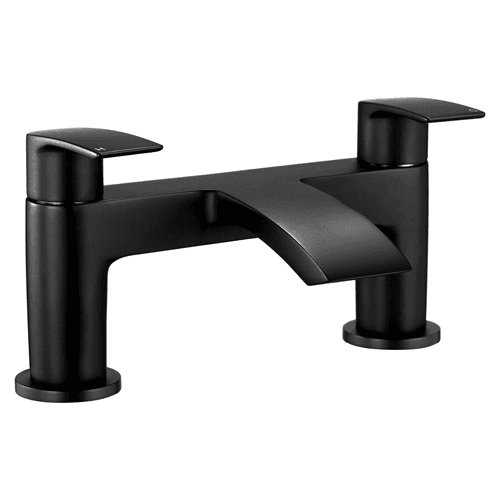
£69.99 (correct as of October 2026)
A matte black waterfall-style bath filler, a distinctive change from the chrome finishes that dominate most of this list. Fitting kits are included, but you'll need to source your own hoses since length varies by bathroom.
We like
- Distinctive matte black finish, a change from the usual chrome
- Lead-free H59 brass, heavier and sturdier than most rivals
- Brass disc cartridge for smooth, precise dual-lever control
- Unusually long 10-year guarantee
Worth checking
- Hoses are not included, so you'll need to source your own
- No stated flow rate in the listing
- Spout height
- 70mm
- Spout reach
- 120mm
- Handles
- 2 (lever, left/right)
- Valve
- Disc
- Material
- H59 brass (lead-free)
- Finish
- Matte black (PVD)
- Weight
- 1.3kg
- Warranty
- 10 years
Specifications above listed by Amazon and may change. Check the current listing before buying. If we've got something wrong, let us know and we'll fix it.
10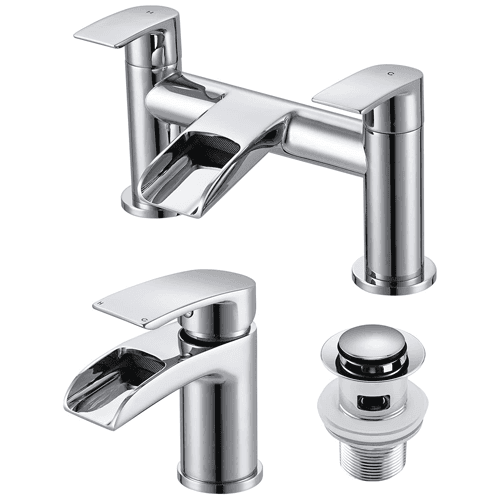
£83.99 (correct as of October 2026)
A waterfall bath and basin tap set, useful if you want both fittings to match without hunting down a separate basin tap yourself. One of the pricier picks on this list, but it's really two taps for the price of one order.
We like
- Sturdy H59 brass with multiple layers of corrosion and scratch-resistant plating
- Includes a matching waterfall basin tap and pop-up waste in the set
- Waterfall spout design on both taps for a spa-like feel
- Straightforward enough for a confident beginner to install
Worth checking
- Noticeably pricier than the other picks on this list
- No stated flow rate or minimum pressure in the listing
- Handles
- 1 per tap (lever)
- Material
- H59 brass
- Finish
- Polished chrome
- Spout design
- Waterfall
- Mounting
- Deck mount, single hole
- Includes
- Basin tap, pop-up waste, hoses, mounting hardware
Specifications above listed by Amazon and may change. Check the current listing before buying. If we've got something wrong, let us know and we'll fix it.
What to check before buying a bath tap
A bath tap has one demanding job: move a lot of water quickly without scalding anyone. Flow rate matters more here than in any other room, since a weak filler can turn a five-minute bath into a fifteen-minute wait, especially on a gravity fed system with a loft tank rather than a combi boiler or unvented cylinder.
Which type suits your bathroom
Separate pillar taps suit a traditional roll top or a period bathroom, and they fill quickly because each tap has its own supply. Deck-mounted bath fillers mix hot and cold through one spout for a tidier look. Bath shower mixers add a handset on a hose, which is the practical choice if your bathroom has no separate shower.
Waterfall fillers look impressive, but their wide, shallow spout needs decent pressure to fill a bath at a sensible speed, so they suit a combi or unvented system better than a low pressure one.
Freestanding baths are the exception to all of this. With no deck to mount on, they need either a floor-standing bath shower mixer with its own pipework rising up through the floor, or a wall-mounted tap if the bath sits close enough to the wall. Plan the supply pipes before the floor goes down, since moving them later means lifting it again.
Measure these before you order
Count the tap holes on your bath and measure the distance between their centres. On many UK baths the holes sit around 180mm apart, but older and imported baths vary, and a deck mixer needs to match your bath exactly. Also check the spout reaches far enough over the rim to fill the bath without dribbling down the outside.
Safety on a bath shower mixer
For anyone bathing children or older relatives, a thermostatic bath shower mixer is the upgrade most worth paying for, since it caps the outlet temperature automatically. If the shower hose can reach down into the bath water, water regulations also expect backflow protection, usually a double check valve or a hose retaining ring that keeps the handset above the rim.
How much to spend on a bath tap
Budget bath fillers start around £30 to £60 and fill a bath reliably, if a little slowly (figures from our last check). Mid-range models from £70 to £150 usually add a stronger flow rate and a smoother mixer cartridge, and thermostatic bath and shower mixers from £150 upward add genuine scald protection on top, worth the extra for a household with children or elderly relatives. Our full guide to choosing a bath tap covers filler versus mixer and deck versus wall mounted in more detail.
Common bath tap mistakes
The most common mistake is buying on looks alone and only checking the flow rate after it's fitted, by which point a slow fill is far more hassle to put right. Check the tap's stated flow rate against your own water system before you buy, not after, and our flow rate guide shows how to measure what your pipes actually deliver.
Wall-mounted bath taps catch people out too. They need pipework buried in the wall behind the bath, so they're a job for a full refit rather than a quick swap, and the tap's inlets have to line up with pipes you can no longer see once the wall is tiled.
Hot water supply is the last thing to check on a bigger bath. On a system with a stored hot water cylinder, a large bath can use up the hot water before it's full, however fast the tap runs, so match the bath and filler to the size of your cylinder.
A few buying guides worth reading alongside our top 10 bath tap picks.
 The Tap Guide


 Kitchen Taps
 Bathroom Taps
 Shower Taps
 Outdoor Taps
 Boiling Water Taps