The Tap Guide
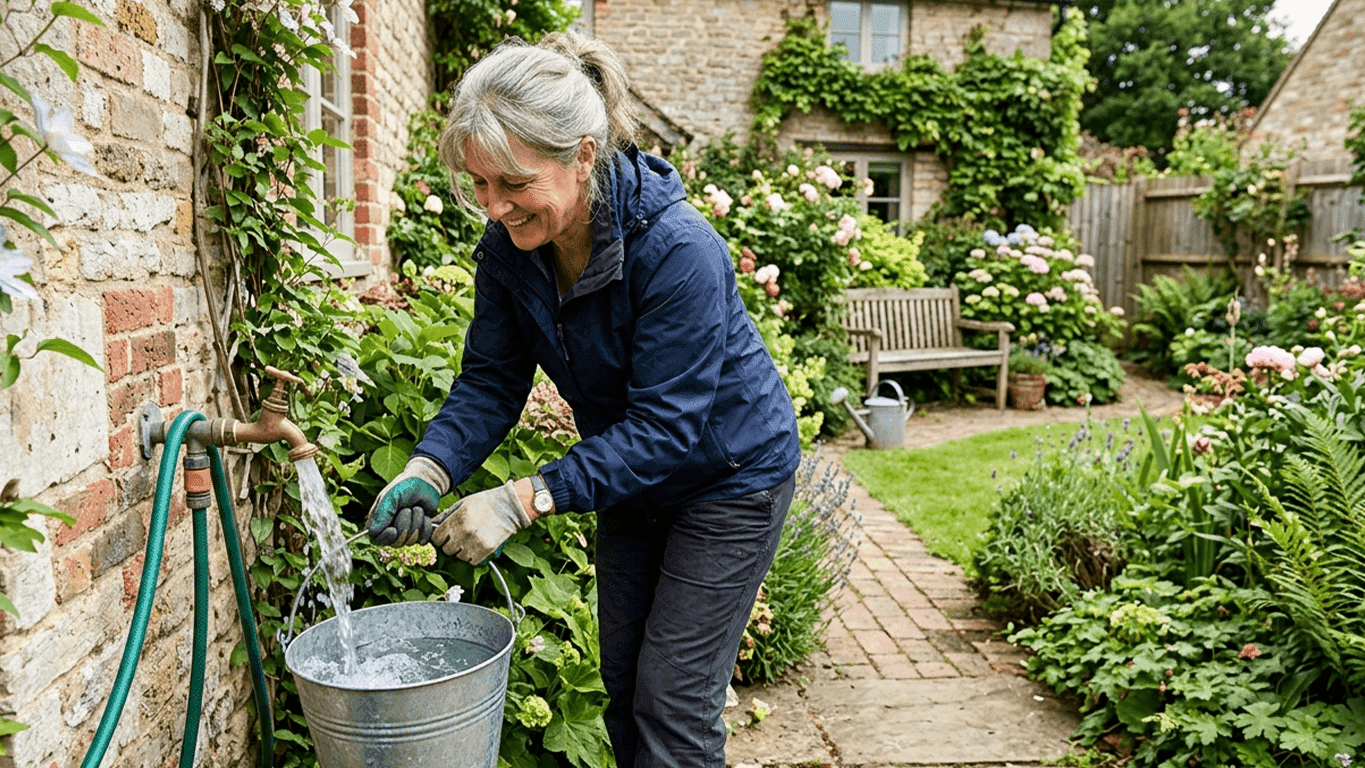
An outdoor tap makes watering the garden, washing the car, or filling a greenhouse can far less of a faff, but choosing the right one, and fitting it properly, saves a lot of hassle later. Here's what's worth thinking about before you buy.
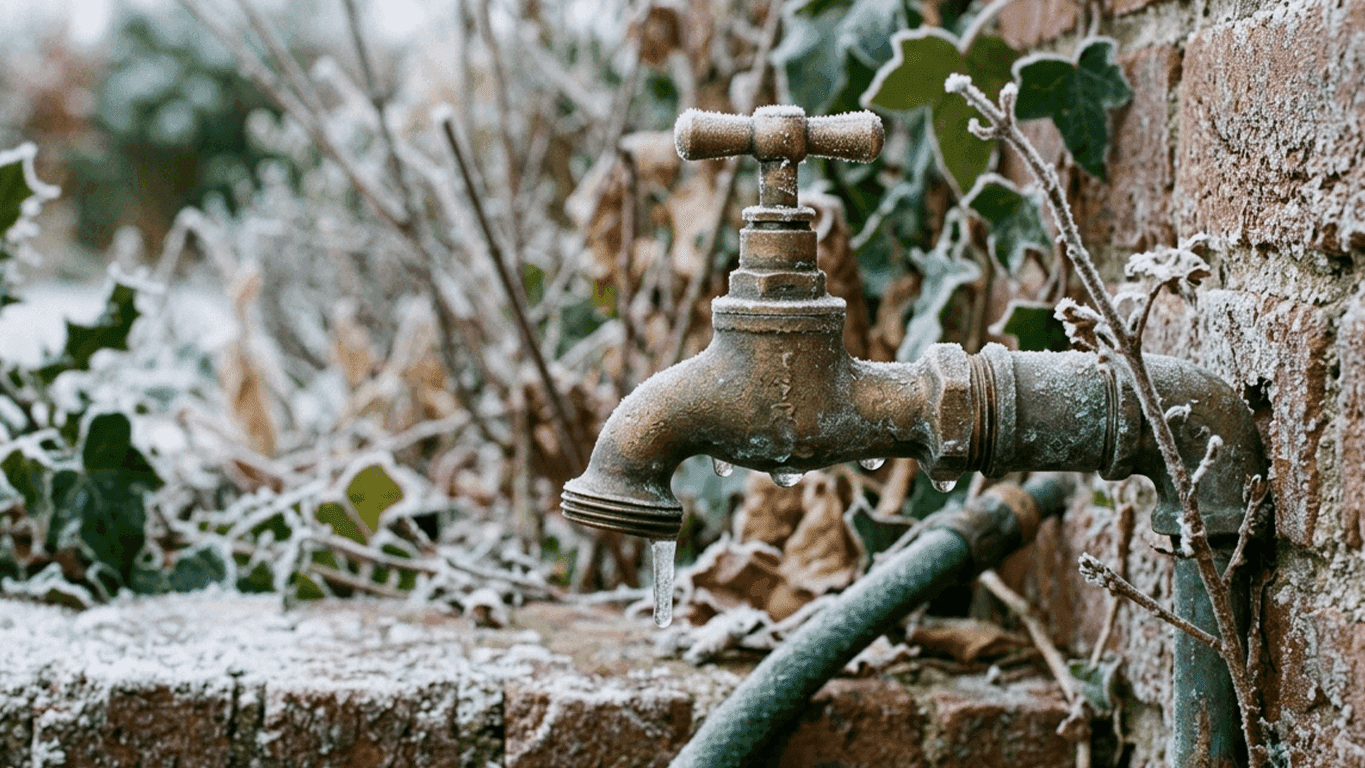
Frost protection is the detail most people overlook until the first hard winter catches them out, so it's worth deciding early on whether a standard tap with proper insulation or a genuinely frost-proof design suits your garden better.
Types of outdoor tap
Almost every outdoor tap in the UK is a bib tap, a tap with a downward-facing, threaded spout designed for attaching a hose. Beyond that basic shape, the main choice is between a standard bib tap and a frost-proof tap, which has its valve mechanism set back inside the warmer wall cavity so the exposed section drains automatically when closed.
A standard tap is cheaper but relies entirely on you draining and insulating it properly each winter. Frost-proof taps do much of that work automatically instead, and are worth the small extra cost for most UK homes; our guide on protecting outdoor taps from freezing covers looking after either type properly once it's fitted.
Our top pick right now
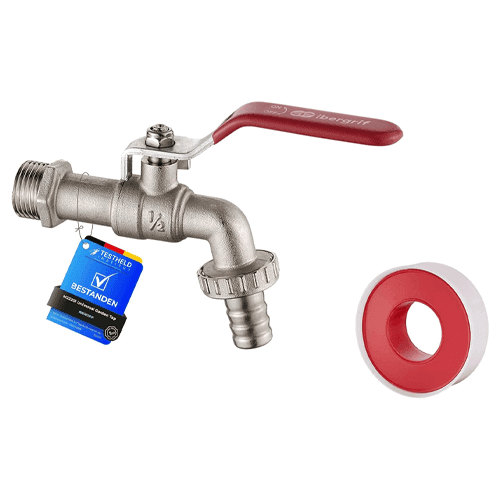
Wall plate versus post mounted
Most outdoor taps fit to a wall plate fixed directly to an exterior wall, the simplest and most common option for a tap near the house. If you want a tap further out in the garden, away from any wall, a post mounted tap on its own freestanding pipe run is the alternative, though it needs a longer buried supply pipe and more careful frost protection along that whole run.
Hose fittings and double check valves
By law, any outdoor tap with a hose union fitting needs a double check valve to stop contaminated water siphoning back into the mains supply if pressure drops elsewhere, a requirement under the Water Supply (Water Fittings) Regulations 1999. Most current outdoor taps come with one built in, though it's worth confirming an older tap against the WRAS approved fittings directory rather than assuming.
Running a new supply pipe
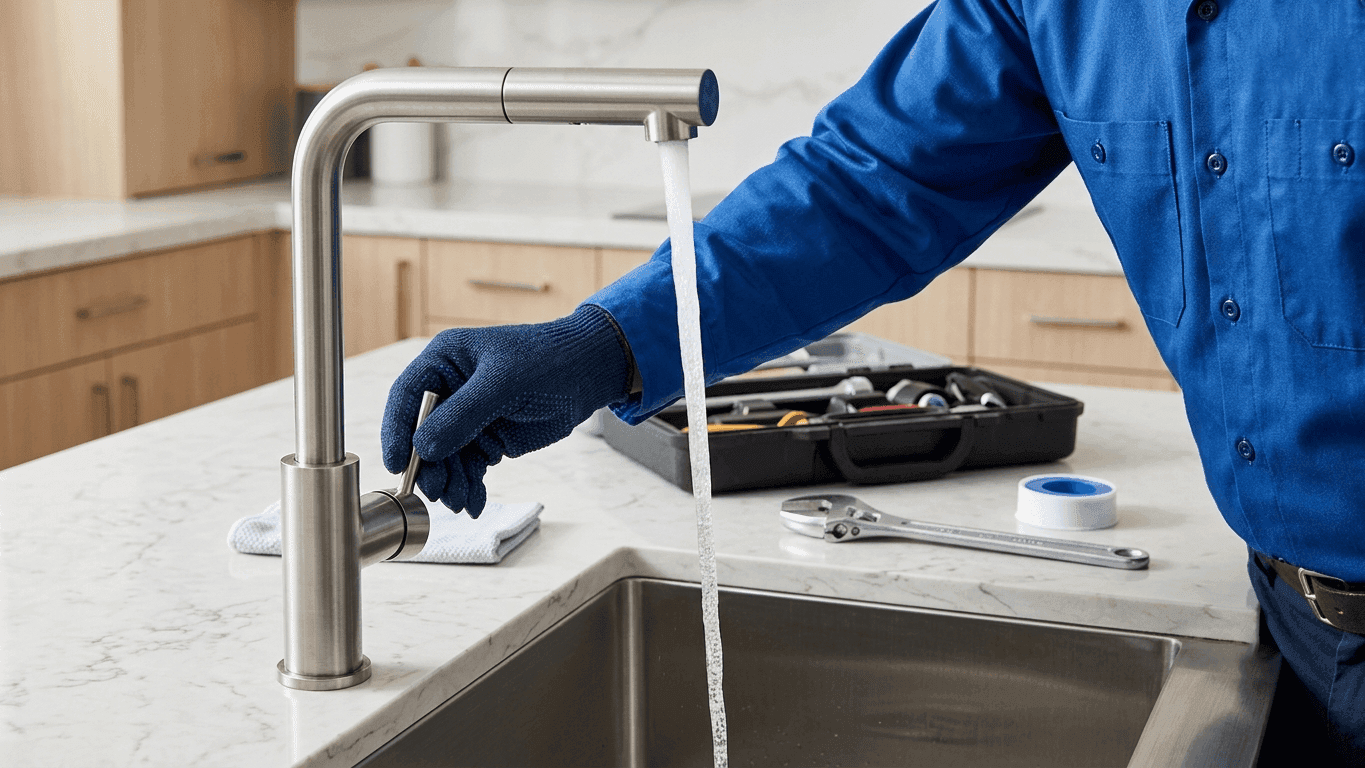
If you're adding an outdoor tap where none exists, the job usually means tapping off an internal supply pipe (often the kitchen cold feed), running new pipework out through the wall, and burying or clipping it to reach the tap's position. For a short, straightforward run, this is manageable for a confident DIYer comfortable with basic plumbing and drilling through an external wall.
For a longer run, anything involving digging a trench across a garden, or if you're not confident isolating and working on your home's main supply, it's worth bringing in a plumber. A botched supply pipe is a much bigger problem than a botched tap.
Lockable taps
A lockable outdoor tap, needing a removable key or handle to turn on, is worth considering if you're on a water meter and want to control usage, share a garden with other households, or simply want to stop curious kids turning it on unsupervised. It adds a small amount to the cost but is a straightforward retrofit onto most standard bib taps.
Hosepipe bans and water meters
If you're on a water meter, or live somewhere that regularly faces a summer hosepipe ban, it's worth choosing fittings that make water saving easier rather than an afterthought. A tap with a threaded outlet compatible with a trigger nozzle or a water butt connector lets you switch to stored rainwater quickly when restrictions come in, without needing a different tap altogether.
Hosepipe bans typically still allow watering by hand-held container, so a lockable tap positioned near where you fill a watering can, rather than only near a hose reel, keeps the tap useful even when a hose itself is off limits. Check your water company's specific rules before a ban is even announced, since the exact restrictions, what counts as a watering can versus a hose attachment, for instance, vary between suppliers and are worth knowing in advance rather than mid-drought.
Garden and greenhouse specific considerations
If you're watering multiple beds, a greenhouse, or running drip irrigation, it's worth thinking beyond a single tap. A tap fitted with a threaded outlet compatible with a garden hose splitter, or a second tap positioned nearer a greenhouse, can save a lot of trailing hose across the garden. Timer attachments that screw onto a standard bib tap are a cheap, effective way to automate watering without any extra plumbing.
Choosing a finish for an outdoor tap
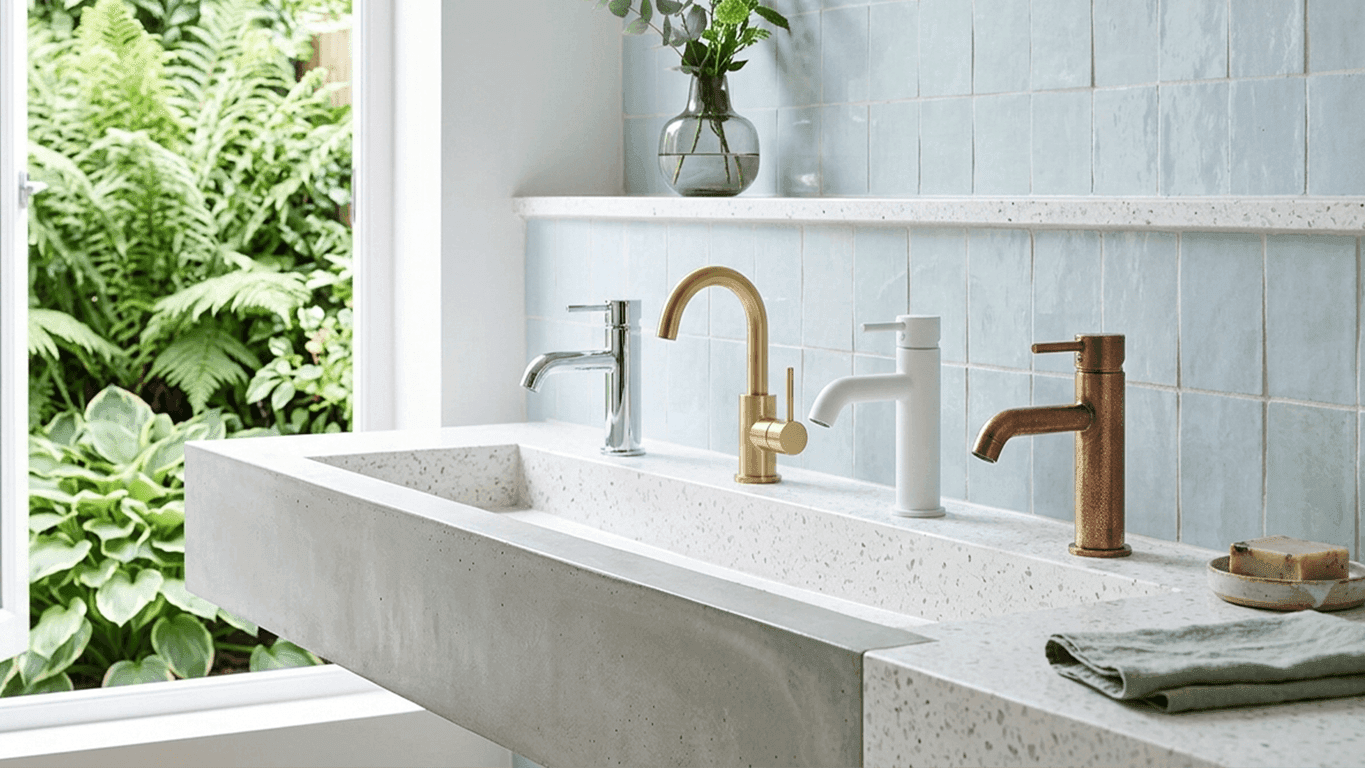
Chrome and plastic-bodied taps are the most common outdoor choices, and both cope reasonably well outside provided the tap is properly rated for external use rather than adapted from an indoor model. Brass taps, often left unlacquered so they weather naturally, are a popular choice for a period cottage garden and develop an attractive patina over time rather than needing to be kept shiny.
Whatever finish you choose, check the manufacturer confirms it's suitable for permanent outdoor exposure. A tap rated only for indoor use can corrode or discolour far faster than expected once it's living outside through a full British winter and summer.
Positioning the tap sensibly
Beyond frost protection, think about how the tap will actually get used before fixing its position. A tap positioned too close to the ground makes filling a watering can or bucket awkward, while one mounted too high makes it harder to attach and detach a hose comfortably.
Aim for a height of around 400 to 600mm above ground level, which suits most people and most hose reels, and check your specific hose reel or watering can collection against that before the pipework is finalised, since moving a fitted tap later is far more disruptive than getting the height right the first time.
What it costs, fitted or DIY
A basic standard bib tap costs from around £10 to £25 for the tap itself, and a frost-proof tap typically runs from £15 to £40 (figures as of our last check, so expect some drift). Fitting one yourself, tapping off an existing nearby supply, costs little beyond the tap, some pipe and fittings, and PTFE tape. Getting a plumber to fit a new outdoor tap, including a short new supply run, typically costs £80 to £180, rising if a longer trench or more complex routing is needed.
Don't skip this
Always disconnect and drain any hose before winter, even on a genuine frost-proof tap. A connected hose traps water in the system and defeats the self-draining valve entirely, one of the most common causes of a "frost-proof" tap splitting anyway.
False economies worth avoiding
- Choosing a standard tap over a frost-proof one to save a few pounds. The price difference is small and a frost-proof tap does most of the winter protection work automatically.
- Fitting a hose union tap without a double check valve. This is a legal requirement in the UK, not an optional extra, and most modern taps include one as standard.
- Running a long new supply pipe without proper frost protection along its length. The self-draining valve at the tap doesn't protect a poorly insulated pipe run leading up to it.
- Underestimating a longer or more complex installation. A short, simple tap-off job is manageable DIY; a long trenched run or working on the main supply is usually worth a plumber.
- Forgetting a lockable option if water use or safety around children is a concern. It's a cheap addition at the point of buying, more of a faff to retrofit later.
Once you've chosen the right tap for your garden, our guide on protecting it from freezing covers looking after it properly through the colder months, and our top 10 outdoor taps page is worth a look to compare specific models.