The Tap Guide
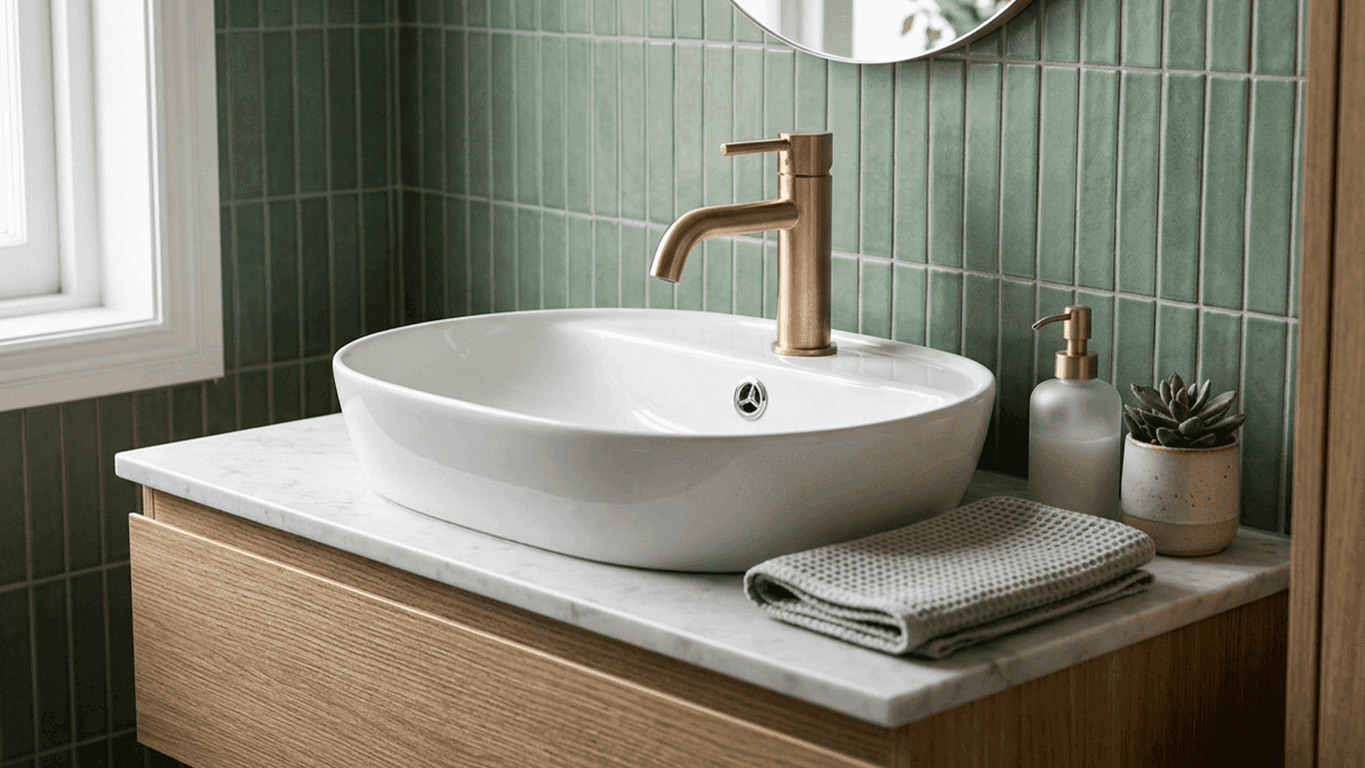
Bathroom taps get lumped together as one shopping category, but a basin tap, a bath filler and a shower valve are three quite different jobs, each with their own things worth getting right. Here's how to choose sensibly for each one, whether you're doing a full refit or just replacing what's already there.
Get any one of them wrong and it's more than a cosmetic issue: a basin tap with the wrong reach splashes constantly, a bath filler with too low a flow rate turns bath time into a chore, and a shower valve that can't hold its temperature is a genuine safety risk. We'll go through each one on its own terms below.
Basin, bath or shower: know which job each tap is doing
A basin tap needs to fill a small bowl quickly without splashing, cope with being used dozens of times a day, and look good close up since it's usually the first thing you see in the room.
Bath fillers need a much higher flow rate to fill a full bath in a reasonable time, and often have to cope with being partially submerged as the water level rises around them. A shower valve is really a different category of product altogether, built around temperature control and consistency rather than simply mixing hot and cold.
It's worth thinking about these as three separate purchases rather than one bathroom-shaped decision, even if you're buying a matching range for a coordinated look. Getting a basin tap's spout height wrong just means an annoying splash. Getting a bath filler's flow rate wrong means standing around for twenty minutes waiting for the bath to fill.
Our top pick right now
Matching a tap to your basin
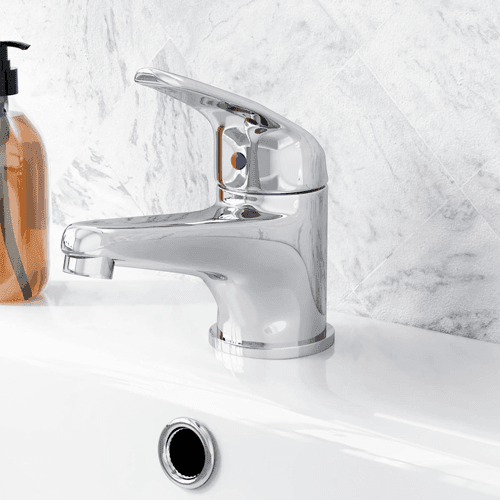
Countertop basins sitting on top of a vanity unit usually need a taller tap than an inset basin, simply to clear the raised bowl and leave room for your hands underneath. Check the tap hole configuration too. Most basins today are pre-drilled for a single monobloc hole, but some period-style and double-hole basins still need a different setup entirely, so measure before you fall for a specific style.
If you're not sure what "monobloc" actually means in practice, our kitchen tap buying guide explains it properly, including how it differs from older multi-hole designs.
Mixer or separate, and why pressure matters more here than in a kitchen
A bathroom sees more moments where you want water right at one extreme, filling a bath scalding hot, rinsing something under cold, than a kitchen typically does, which is one reason separate taps have hung on more stubbornly in bathrooms than anywhere else in the house. Its counterpart, the mixer, blends hot and cold inside the tap body so you can set one consistent temperature, which is the more practical everyday choice for a basin used for hand washing and teeth brushing.
Separate taps mean balancing hot and cold by feel each time, which some people genuinely prefer for exactly that scalding-bath-one-side, cold-rinse-the-other scenario, and they keep the classic, traditional look that suits a period bathroom well, particularly with cross-head or capstan style handles.
Cost rarely settles it either way. Basic separate taps can be cheaper individually, but you're buying two of them rather than one mixer, which tends to even out the total, and a good quality mixer with a smooth ceramic disc cartridge sits in a similar overall price range to a matching pair of decent separate taps.
Bath fillers and shower valves are considerably more sensitive to a pressure imbalance between hot and cold than a basin tap, since they're moving far more water and any bias becomes obvious fast. If your home runs on a gravity fed system with a loft tank, check a shower valve's minimum pressure rating carefully before committing to a specific model. Our guide on what flow rate you actually need covers this in more detail.
Finish: what actually holds up in a bathroom
Bathrooms run more humid than kitchens and see more soap, shampoo and general product residue landing on the taps daily, which changes which finishes make sense. Chrome remains the easiest option, copes well with steam and splashback, and our guide on keeping taps looking sharp covers the daily routine.
Brushed finishes hide the inevitable soap scum and water spots better day to day, worth considering for a family bathroom that gets heavy daily use. Matt black looks striking against white sanitaryware but shows limescale and soap marks more visibly than people expect, so be honest about how often you'll actually clean it before committing a whole suite to it.
Handle style and who's actually using the room
Lever handles are quicker and easier to use one handed, which matters for a family bathroom with kids or for anyone with limited grip strength. Cross-head or traditional handles look lovely in a period bathroom but need a full hand and a bit more twisting to operate, worth bearing in mind for an elderly relative's bathroom or an ensuite you want to feel effortless first thing in the morning.
If accessibility is a genuine consideration, thermostatic shower valves with a fixed maximum temperature and simple, large controls are worth prioritising over a standard mixer. They remove the risk of a sudden scald if someone else in the house alters the hot water elsewhere while the shower's running, which is exactly why many rental and new-build bathrooms specify them as standard.
Deck mounted vs wall mounted
Deck mounted taps sit directly on the basin or bath surround and are the more common, simpler choice, generally easier to fit and maintain since the pipework stays accessible below. Wall mounted taps sit above the basin or bath on the wall itself, giving a cleaner, more minimal look and freeing up space on a narrow countertop, but they need pipework routed through the wall, which is a bigger job best planned in during a full renovation rather than retrofitted casually.
If you're renovating from scratch, wall mounted is worth considering for the look alone. A straightforward like for like swap is better served by deck mounted, which keeps the job simple and avoids opening up tiled walls unnecessarily.
Budget and what you're actually paying for
Basin taps: budget options start around £20 to £40 and cover the basics reliably (figures from our last check). Mid-range from £50 to £120 typically brings a smoother ceramic disc cartridge and better finish durability. Premium ranges from established brands run from £150 upward, where you're mainly paying for finish quality, cartridge longevity and warranty length. See our guide to trusted tap brands for names worth knowing at each level.
Bath fillers tend to cost more than basin taps because of the higher flow rate mechanism required, with budget models from around £50 to £90, mid-range from £100 to £250, and premium wall mounted or freestanding fillers easily running past £400. Shower valves sit in a broadly similar range, with thermostatic models generally costing more than manual mixer valves because of the extra internal mechanism, from roughly £60 to £100 at the budget end to £350 or more for a premium system with additional outlets.
One to check
Any tap or shower valve sold for use in the UK should carry WRAS approval, confirming it meets water regulations for safety and backflow prevention. Check a specific model against the WRAS approved fittings directory before buying, particularly for anything bought from an overseas marketplace seller.
Buying mistakes worth avoiding
- Buying a striking basin tap without checking spout height clears a countertop basin properly. You'll end up with an awkward splash every single time it's used.
- Choosing a bath filler on looks alone without checking its flow rate. You can end up waiting twenty minutes for a bath that should take five.
- Assuming every finish suits a busy family bathroom equally. Matt black shows marks fast under heavy daily use, chrome is far more forgiving.
- Fitting a mixer tap or shower valve without checking it suits a gravity fed system. You'll be left wondering why the temperature never balances properly.
- Forgetting tap hole configuration when replacing a basin. Spare holes need a blanking plate plan sorted before you buy, not after.
- Overlooking accessibility needs at the design stage. Retrofitting lever handles or thermostatic valves later almost always costs more than specifying them upfront.
Once you know roughly what you're after for each fixture, our top 10 basin taps and top 10 bath taps pages are a good place to compare specific models across budgets. If you'd rather have someone else do the fitting, a CIPHE registered plumber can advise on what will actually suit your home's water system.