The Tap Guide
Flow rate is one of those specs that shows up on every tap's product page but rarely gets explained properly. This guide covers what to expect and look for before you buy; if a tap you already own has gone weak, our guide on increasing water pressure from a tap covers diagnosing and fixing that instead.
Get it wrong and you can end up with a tap that dribbles when it should flow, or one that's simply incompatible with your home's plumbing.
Our top pick right now
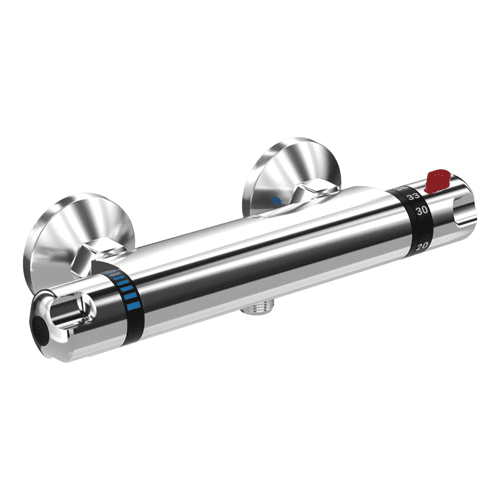
What flow rate actually means
Flow rate describes how much water comes out of a tap over a set period, usually measured in litres per minute.
It's determined partly by the tap itself, its internal cartridge and any flow restrictor fitted, and partly by the water pressure and volume actually available from your home's plumbing. A tap rated for a high flow rate on paper will still only perform as well as the pressure feeding it allows.
The three main water systems in UK homes
Almost every UK home falls into one of three categories, and knowing which one you have matters more for choosing a tap than almost any other single factor.
- Combi boiler systems. Heat water directly from the mains on demand, with no storage tank. Both hot and cold typically run at similar, usually strong, mains pressure, which suits most mixer taps well.
- Gravity fed systems. Use a cold water tank in the loft feeding a hot water cylinder, relying on gravity for pressure. Hot water pressure is often noticeably weaker than mains-fed cold, particularly in homes where the loft tank isn't installed very high above the taps.
- Unvented (mains pressure) cylinder systems. Store hot water in a pressurised cylinder fed directly from the mains, giving strong, well matched hot and cold pressure without needing a loft tank.
If you're not sure which system your home has, a plumber can tell you quickly, or you can often identify a gravity fed system by checking for a large tank in the loft alongside a hot water cylinder in an airing cupboard.
Why this matters for choosing a tap
Mixer taps, which blend hot and cold internally, generally perform best when both supplies arrive at similar pressure, which is the case with combi boilers and unvented cylinders. On a gravity fed system with a notable pressure imbalance, some mixer taps will feel underwhelming or biased toward whichever supply is stronger, almost always the cold.
If this describes your home, look specifically for taps that state compatibility with low pressure or gravity fed systems, or consider separate taps instead, covered in our bathroom tap buying guide.
Typical flow rates by tap type
There's no single "good" flow rate since it depends on the job a tap is doing, but these are the ranges you'll typically see under normal mains or unvented pressure (figures from our last check):
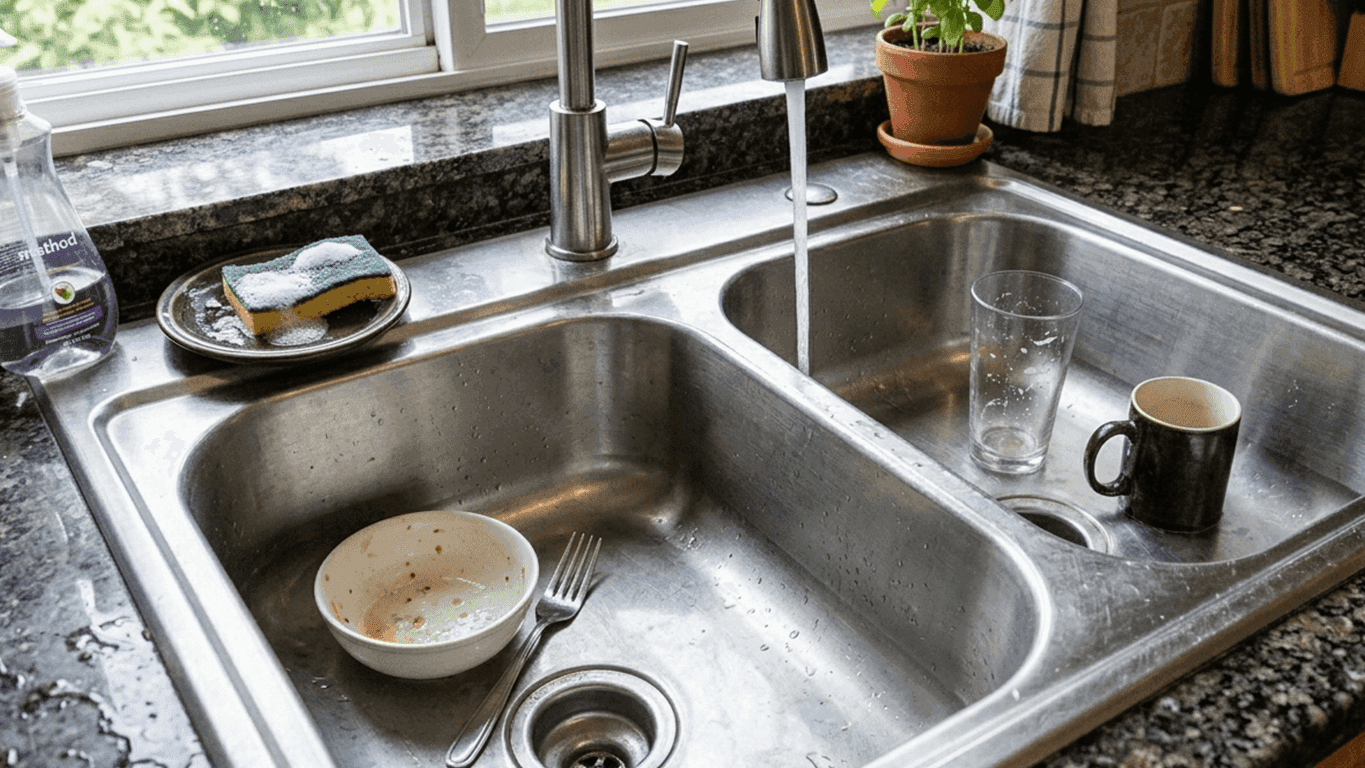
- Kitchen taps: 6 to 10 litres per minute, sometimes higher, since filling a pan or kettle quickly matters more than saving every last litre.
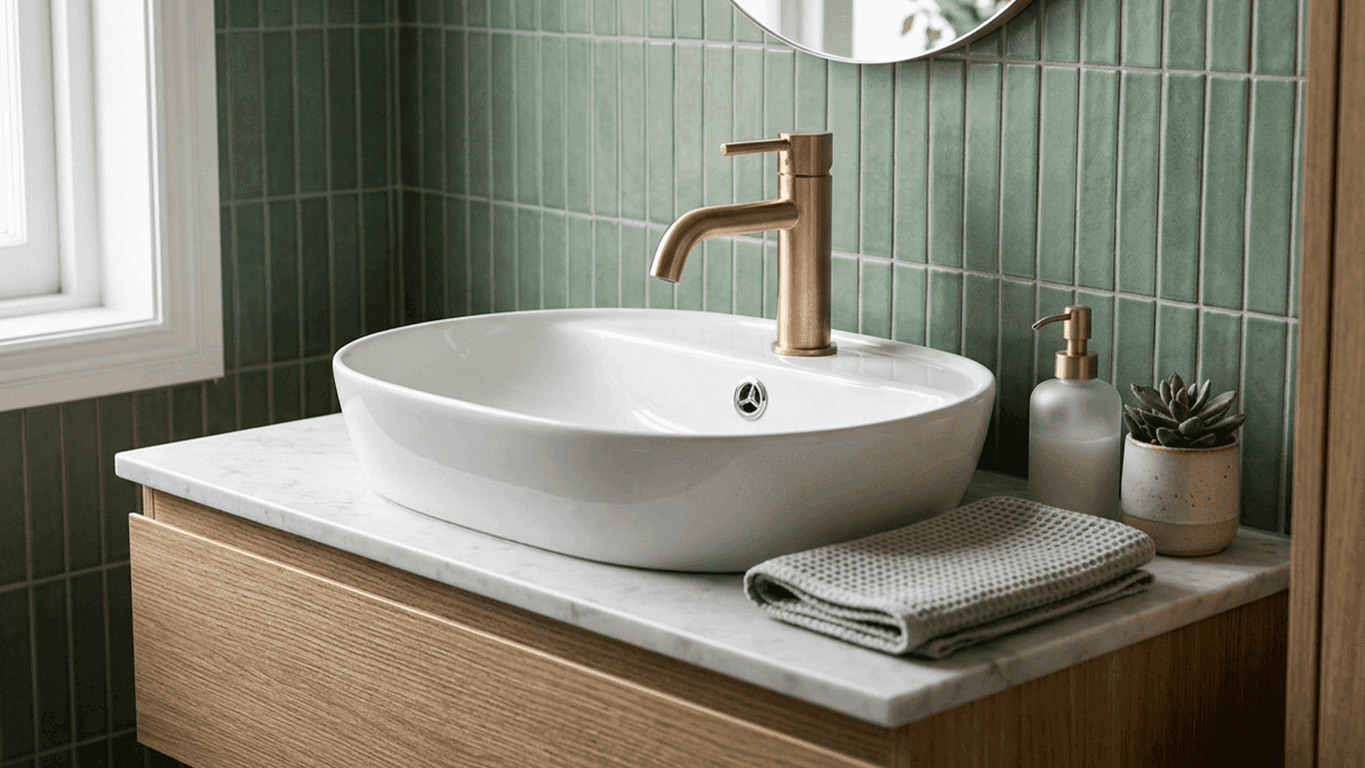
- Bathroom basin taps: 4 to 6 litres per minute, usually flow-restricted and aerated to cut splashing in a shallow bowl and reduce water use.
- Bath fillers: 15 to 25 litres per minute, enough to fill a standard bath in around five to eight minutes; see our top 10 bath taps for models rated well on fill speed.
- Shower valves: 8 to 12 litres per minute for a standard mixer, though a digital or high-performance shower can run higher.
- Outdoor taps: 15 to 20 litres per minute, close to a standard garden hose's own rated flow.
A tap rated above these figures on paper won't perform any better than your home's actual pressure allows, which is why matching the tap to your water system, covered above, matters more than chasing the highest number on the spec sheet.
Aerators and how they affect flow
Many modern taps include an aerator, a small mesh fitting at the spout outlet that mixes air into the water stream. This reduces overall water usage and often makes the flow feel fuller and steadier than the same volume of water without one, while also reducing splashing.
If a tap feels weaker than expected, checking whether the aerator has become clogged with limescale is worth doing before assuming the tap itself is faulty; unscrewing and cleaning or descaling it often restores flow immediately.
Checking your current water pressure
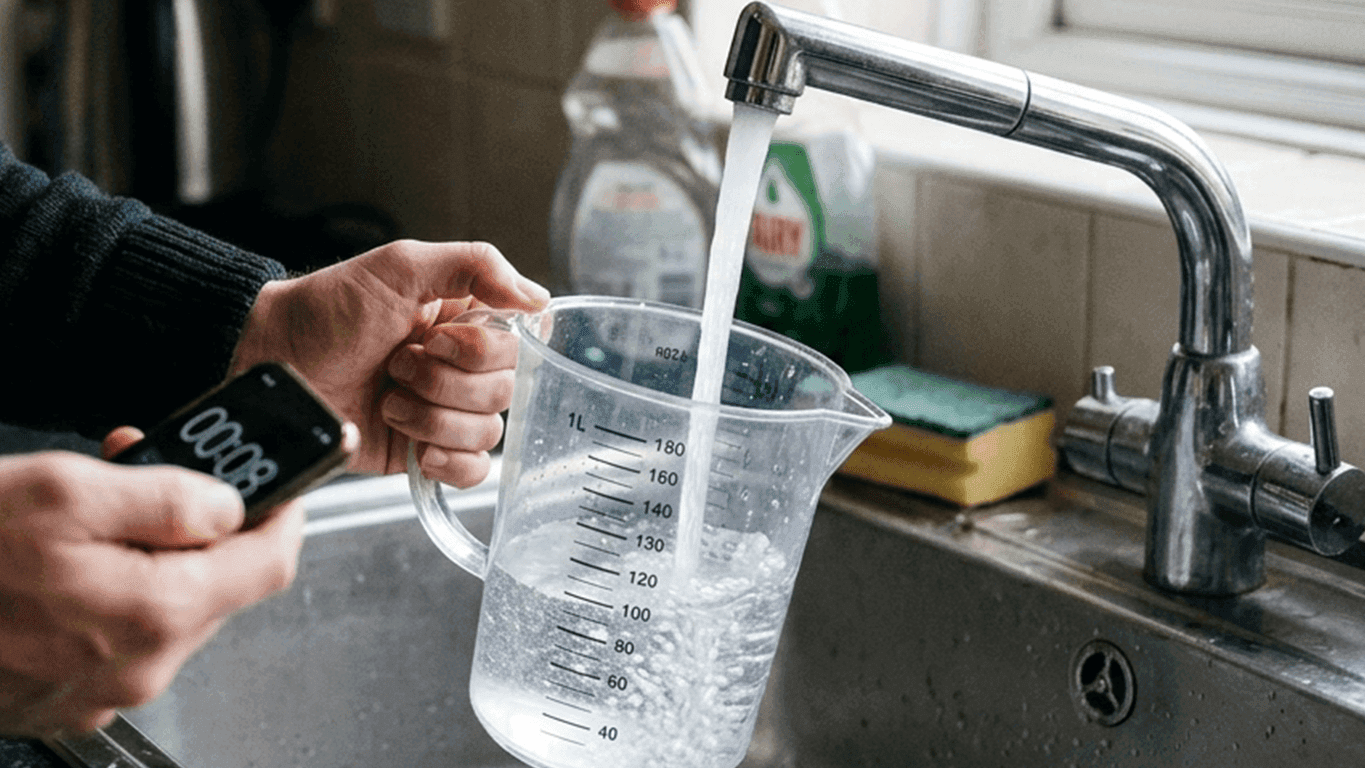
A simple rough check is to time how long it takes to fill a one litre jug from a fully open cold tap. Under around 6 seconds suggests strong mains pressure, while significantly longer suggests lower pressure, which is worth knowing before buying a tap that specifies a minimum bar pressure to function properly.
For anything more precise, a plumber can measure your actual bar pressure directly.
Before you buy
Some tap specifications state a minimum operating pressure in "bar." If your home is on a gravity fed system with a low loft tank, check this figure against your actual pressure before buying, particularly for thermostatic shower valves, which often need more pressure than basin or kitchen mixers to function correctly.
Matching the tap to your system
As a general rule of thumb: combi boiler and unvented cylinder homes can choose almost any mixer tap without worrying much about pressure compatibility. Gravity fed homes should specifically check a tap's minimum pressure rating and any notes on low pressure suitability, particularly for kitchen mixers with pull-out sprays or any thermostatic shower valve, both of which tend to need a bit more pressure to work as intended.
The Energy Saving Trust also has useful guidance on water efficient fittings if reducing your household's water use is part of the decision.
Once you know your system, our top 10 kitchen taps, top 10 bathroom taps, top 10 bath taps, top 10 shower taps, top 10 outdoor taps and top 5 boiling water taps pages will help narrow down the options.