The Tap Guide
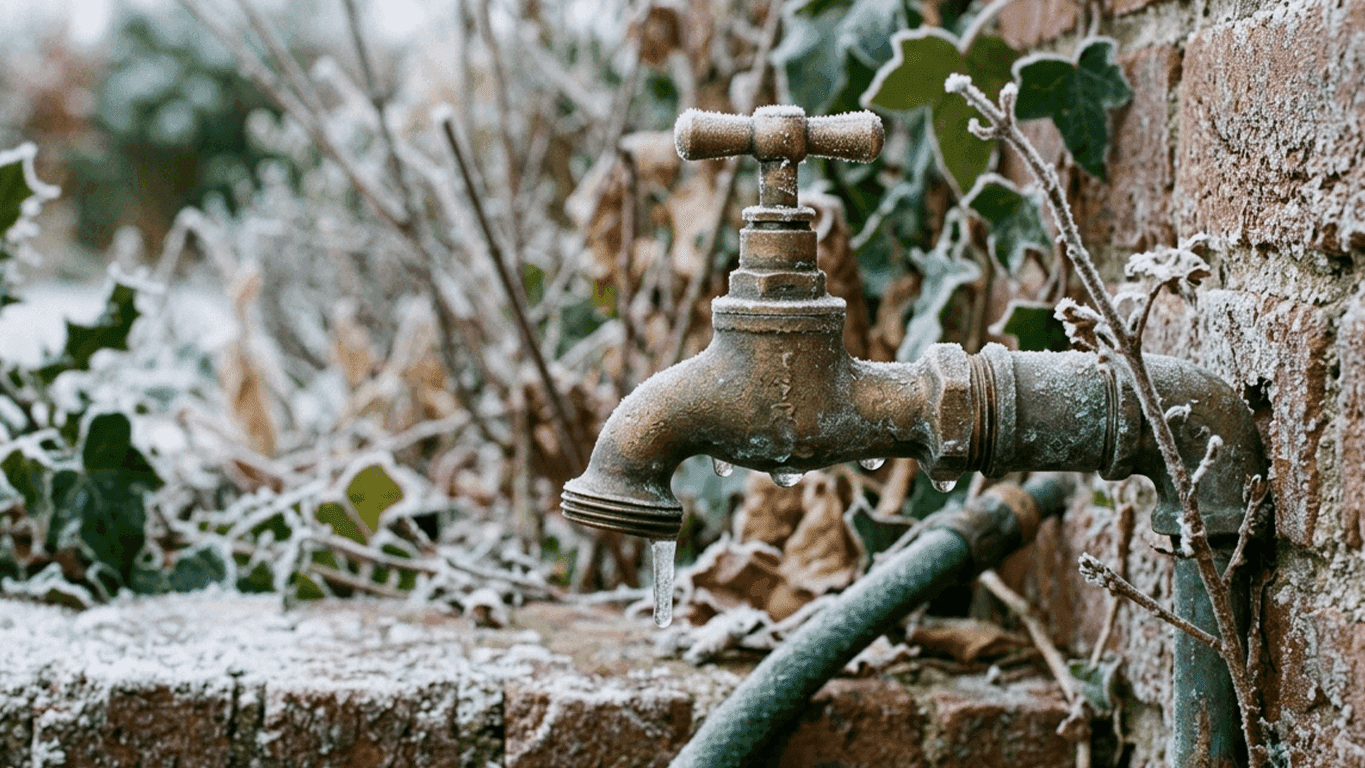
Outdoor taps take more of a beating from winter than almost any other fitting in the house, sitting exposed on an outside wall with a pipe run that's often poorly insulated compared with anything indoors.
A few cheap, simple steps before the first proper frost hits can save you a burst pipe, a flooded utility room, and a repair bill that's entirely avoidable.
When to do it
Aim to have your outdoor tap sorted by the end of October. Air frosts can arrive from early October in much of the UK, and sooner in Scotland, northern England and exposed rural spots. If a cold night is forecast before you've got round to the full job, isolate and drain the tap that evening and do the rest at the weekend.
Why outdoor taps are so vulnerable to frost damage
Water expands by roughly nine per cent as it freezes, and that expansion happens inside whatever's containing it, whether that's a length of copper pipe or the tap body itself.
If water is trapped in the pipe run leading to an outdoor tap when a hard frost hits, the ice has nowhere to go and the pipe or tap can crack under the pressure.
The damage often isn't obvious straight away either. A cracked pipe frozen solid won't leak until it thaws, so the first sign of a problem is sometimes a flood weeks later during a milder spell, rather than anything visible during the cold snap itself.
Fit an isolation valve and drain the supply before winter
If your outdoor tap doesn't already have a dedicated isolation valve somewhere indoors on its supply pipe, it's worth having one fitted.
Come autumn, turn that valve off, then open the outdoor tap fully and leave it open until the water indoors stops flowing, draining the exposed length of pipe rather than leaving it full over winter.
Leave the outdoor tap itself open throughout the coldest months. An empty pipe can't burst from expanding ice, and this single step does more to prevent frost damage than almost anything else on this list.
Insulate the pipe and the tap itself
Foam pipe lagging, sold cheaply by the metre at any hardware shop, should cover the full exposed run of pipe leading to the tap, not just the last few inches near the tap body.
Pay particular attention to any section running through an unheated garage, shed, or along an external wall, since these are the coldest, most exposed points in the whole run.
A dedicated outdoor tap cover, essentially a foam-lined jacket that fits over the tap itself, adds another layer of protection for only a few pounds and takes seconds to fit and remove.
A tap cover worth a look
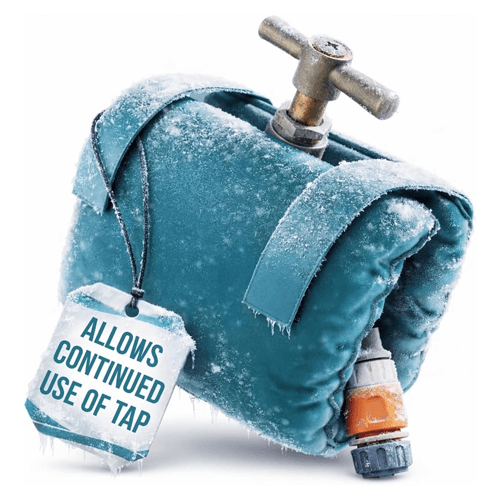
Medipaq Outside Tap Cover
£5.99 (correct as of October 2026)
A slip-on foam-lined jacket that fits over the tap with no tools needed, and unlike a fully enclosed cover it leaves the spout accessible, so you can still fill a watering can or rinse tools without taking it off.
We like
- Tap stays usable while fitted, no need to remove it for a quick job
- Slips on in seconds with no tools required
- Snug fit designed to stay put through winter weather
Worth checking
- Marketed as fitting 'most standard' taps rather than listing exact dimensions, worth checking against your tap if it's an unusual size
- Special feature
- Thermal insulation
- Installation
- Slip-on, no tools required
- Design
- Open access, tap usable while covered
- Weight
- 0.03kg
Specifications above listed by Amazon and may change. Check the current listing before buying. If we've got something wrong, let us know and we'll fix it.
Consider a frost-proof (self-draining) tap
A true frost-proof outdoor tap has its valve set back inside the wall, in the warmer indoor space, with a long spindle running out to the visible handle and spout outside.
When you turn it off, the water column in the exposed outdoor section drains away automatically by gravity, leaving nothing there to freeze even if you forget to isolate and drain the supply manually.
If your existing outdoor tap regularly gives you trouble over winter, replacing it with a proper frost-proof model is a sensible upgrade. Our guide on choosing an outdoor tap covers what to look for, and our guide on removing an old tap covers getting the existing one out cleanly before fitting the replacement.
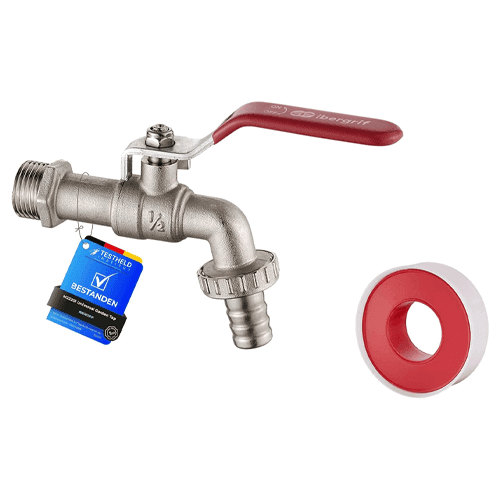
Our top pick right now
What to do if a pipe does freeze
If water stops flowing from an outdoor tap during a cold snap, resist the temptation to reach for a blowtorch or any other direct heat source, since rapid, uneven heating is a common cause of pipes splitting that were otherwise fine.
Instead, gently warm the pipe with a hot water bottle, a hairdryer on a low setting, or towels soaked in warm water, working from the tap end back toward the stopcock.
If taps indoors have stopped as well, the freeze is somewhere further back in the system, and our guide on what to do when a tap won't turn on covers tracking it down.
Once thawed, check the whole exposed length carefully for cracks or splits before assuming everything's fine, since a pipe that's cracked while frozen often shows no sign of a problem until it thaws and the water starts moving again. If you do find a split, shut off the supply straight away, and our guide on finding and turning off your stopcock covers doing that quickly.
Signs of frost damage after winter
A tap that drips constantly rather than shutting off properly, water appearing at a join that was previously dry, or a hairline crack only visible once the tap's warmed back up and pressurised, are all common signs of frost damage from earlier in the season. On its own, a straightforward drip with none of the other signs above is more likely just a worn washer or cartridge, covered in our guide on fixing a dripping tap.
Catching this early, rather than waiting for a proper leak, saves a lot of mess and a bigger repair bill later.
A note on home insurance
Burst pipes from frost damage are a common winter insurance claim, but most home insurance policies expect you to have taken reasonable precautions, particularly if a property's left unoccupied or unheated for any length of time during cold weather.
Check your specific policy wording if you're going away over winter, since some insurers require the heating to be left on at a minimum temperature, or the water supply drained down entirely, for a claim to be valid.
Keeping a simple record of what you've done each autumn, lagging fitted, taps drained, isn't essential but can be useful if you ever do need to make a claim and an insurer asks what preventative steps were taken.
Rule to know
If your outdoor tap has a hose union fitting, UK water regulations require a double check valve to prevent contaminated water being siphoned back into the mains supply. Most modern outdoor taps include one built in, but check an older tap against the WRAS approved fittings directory if you're not sure.
What protecting a tap actually costs
Protecting an outdoor tap properly is cheap compared with the cost of a burst pipe. Foam pipe lagging runs to a few pounds per metre, and a dedicated tap cover typically costs under £15 (prices as of our last check).
Fitting an isolation valve, if you don't already have one, is a modest job for a plumber, usually somewhere in the £60 to £120 range depending on pipe access.
A full frost-proof tap replacement, done yourself, typically costs £15 to £40 for the tap itself. Getting a plumber to fit one, particularly if new pipework is needed through the wall, usually runs from around £80 to £180.
The one mistake that undoes all of this
- Leaving a hose connected over winter. A hose traps water in the pipe run and defeats even a frost-proof, self-draining tap, so always disconnect and drain hoses before the cold sets in.
- Forgetting to open the tap after isolating the supply. Isolating the valve alone doesn't empty the pipe; the tap needs to be left open too so the water can actually drain out.
- Using direct heat to thaw a frozen pipe. A blowtorch or naked flame can cause a sudden, uneven expansion that cracks the pipe rather than safely thawing it.
- Assuming a "frost-proof" tap protects the exposed pipe too. The self-draining valve only protects what's inside the tap mechanism itself; the visible pipe run outdoors still needs proper lagging.
- Not checking for damage after the first thaw. A cracked pipe can sit silently until it thaws and pressurises again, so it's worth a proper check once temperatures rise rather than assuming no immediate leak means no damage.
A bit of preparation each autumn is a lot less hassle than dealing with a burst pipe in January.
Once you've got the basics sorted, our top 10 outdoor taps page is worth a look if yours needs replacing rather than repairing, and our guide on installing a tap yourself covers the fitting side if you decide to do it without a plumber.