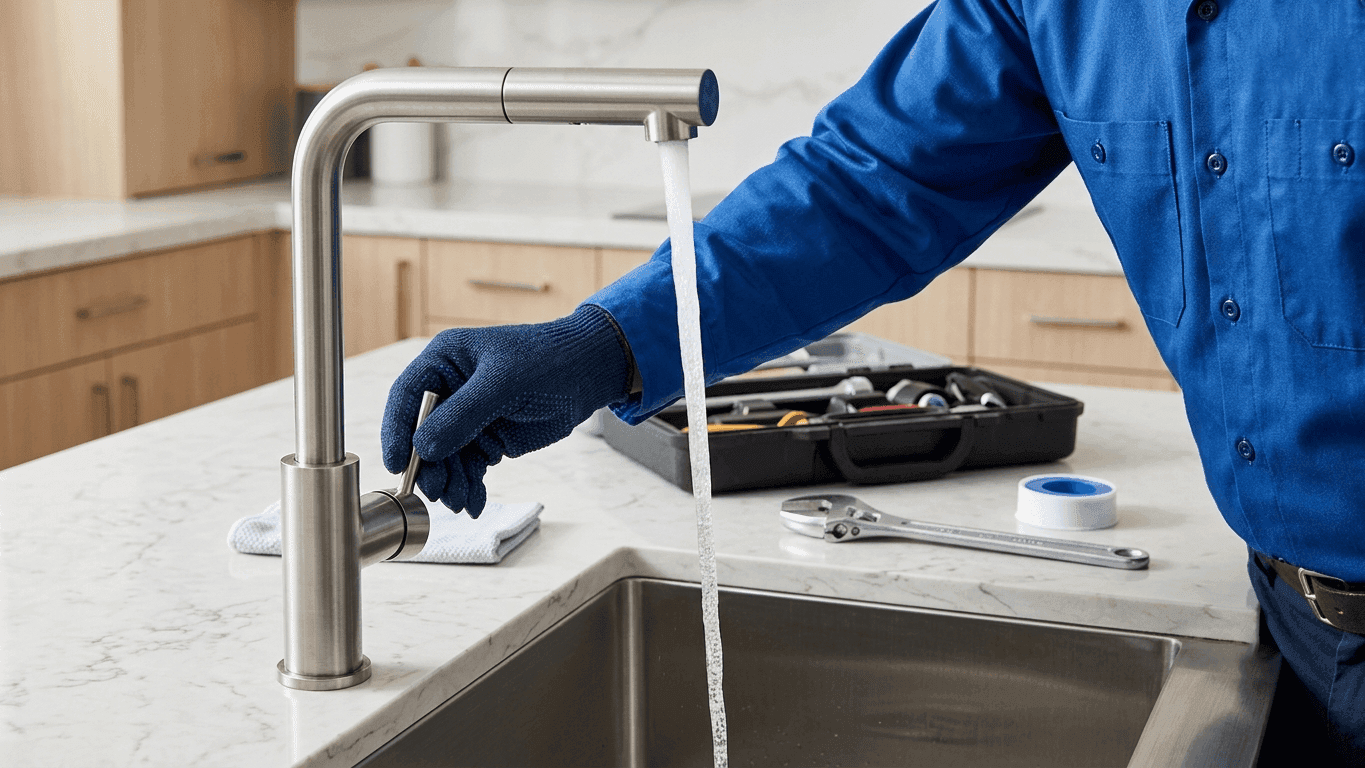
The Tap Guide
The tap itself is usually the easy part of the budget to work out, since the price is right there on the listing.
What catches people out is the fitting cost, which can be anywhere from nothing at all, if you do it yourself, to a few hundred pounds if the job turns out to be more involved than expected. Here's what typically drives that number.
DIY versus a plumber: the real difference
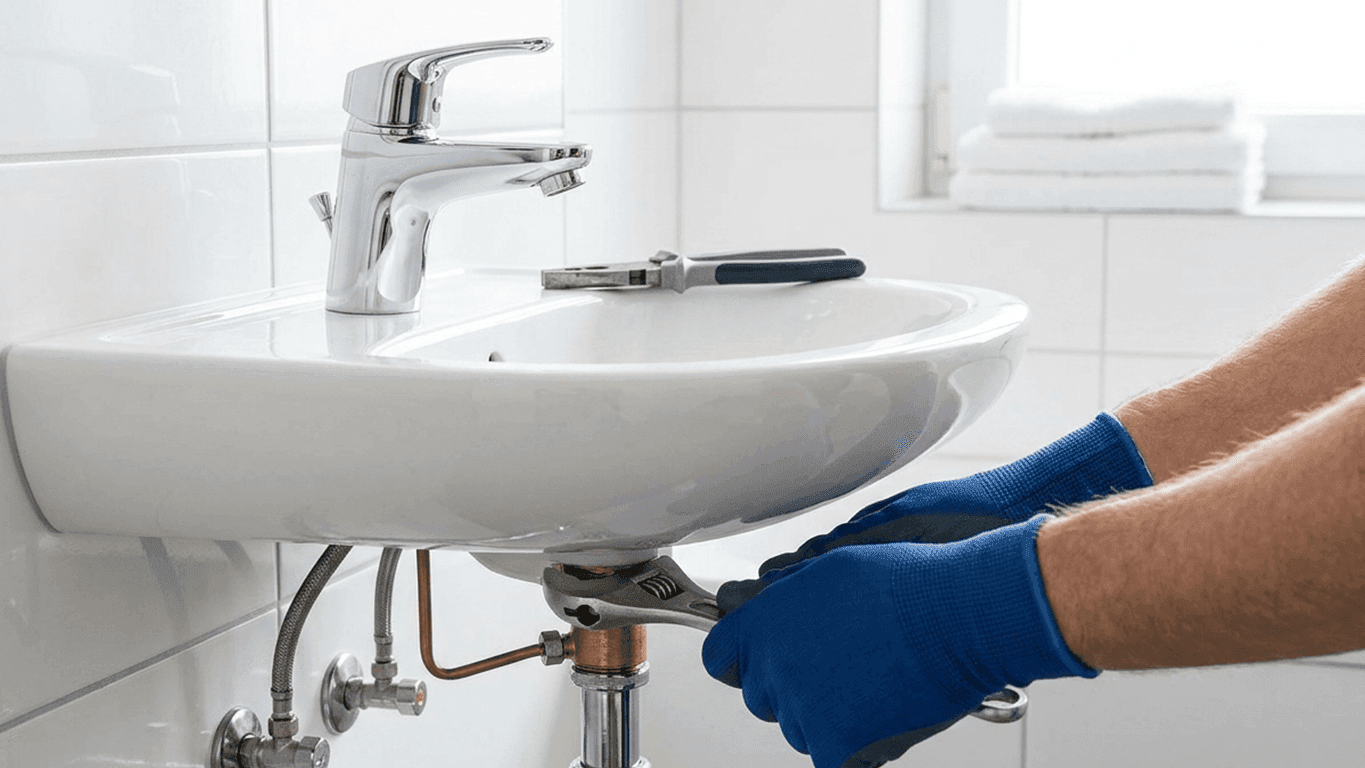
A straightforward like-for-like tap swap, same number of holes, working isolation valves, no pipework changes, is a manageable job for a confident DIYer with basic tools and an hour or two spare. Our guide on installing a tap yourself walks through the full process.
Done this way, the only cost beyond the tap itself is whatever tools you don't already own, typically £15 to £30 for a basin wrench and PTFE tape if you're starting from scratch.
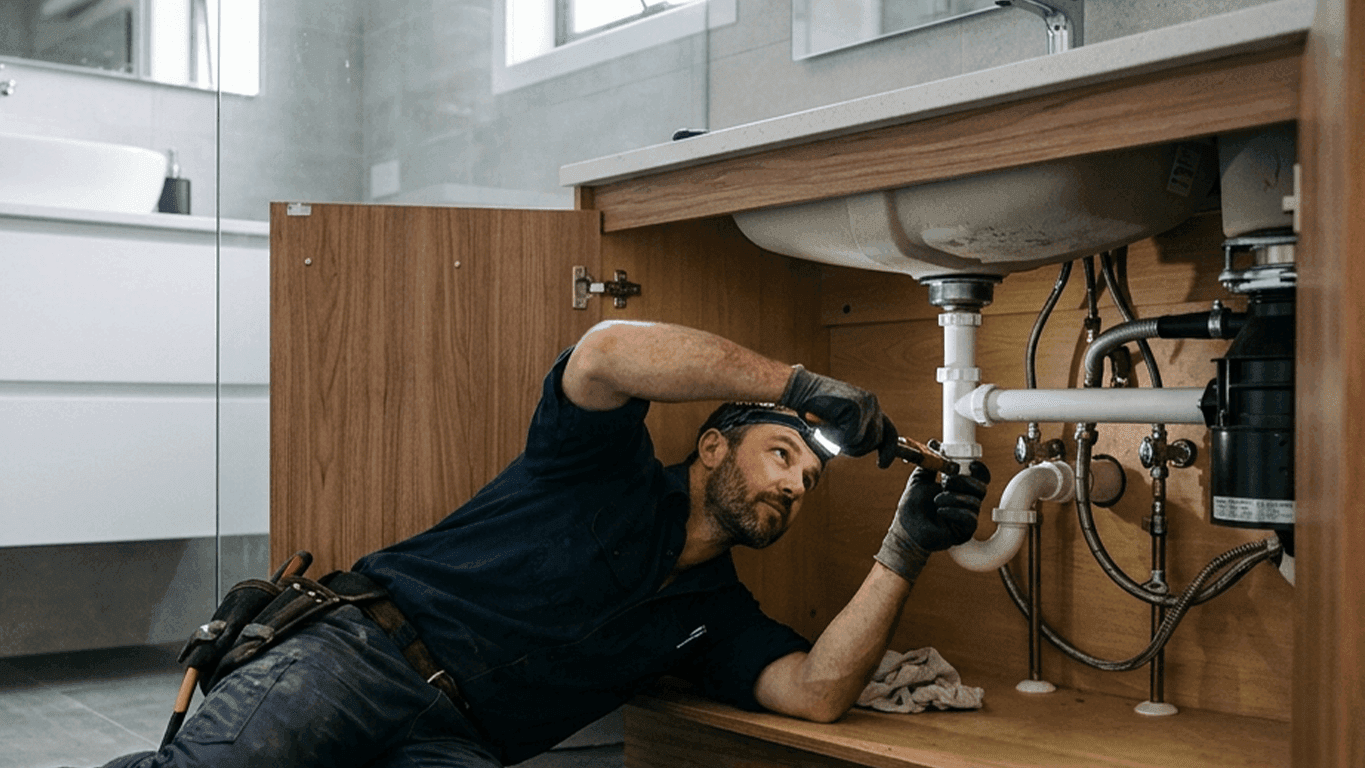
Paying a plumber removes the labour entirely, at a cost, but also brings someone who can spot and fix problems, a seized nut, a worn isolation valve, pipework that isn't quite what you expected, without the job stalling halfway through.
Typical plumber charges for a standard swap
Costs move around by region and by tradesperson, so treat the figures below as a general guide rather than a quote.
A straightforward tap replacement, where the plumber isn't dealing with anything unexpected, typically runs £80 to £180 including labour, often charged as a fixed job price rather than a strict hourly rate for something this quick.
London and the South East tend to sit at the higher end of that range, with other regions often lower.
Many plumbers also charge a separate call-out fee, typically £40 to £80, which may or may not be absorbed into the total job price depending on how they quote. It's worth asking directly whether a quoted price is all-in or has a call-out fee on top.
What pushes the price up
The jump from a straightforward swap to a more expensive job usually comes down to a handful of specific complications rather than the tap itself.
Seized or corroded isolation valves that need replacing before the new tap can even be connected are one of the most common, adding parts and extra time.
Switching from a two hole tap to a monobloc, or the reverse, brings blanking plate or extra hole work into the job.
Old, worn pipework that needs partial replacement, or a tap position that's properly awkward to reach, both add time on top of the base job.
A plumber who spots one of these during the visit will usually flag it and requote before continuing, rather than absorbing it silently, so it's worth asking upfront how they handle unexpected complications if you want to avoid surprises.
Does the room change the price
Kitchen and bathroom basin taps are priced fairly similarly, since the underlying job is much the same. If you'd rather tackle a basin swap yourself, our guide on fitting a basin tap covers each step.
Bath fillers and shower valves tend to cost more to fit, £150 to £350 is typical, reflecting the larger connections and, for a concealed shower valve, work that can involve opening up tiling or a wall.
Outdoor taps sit at a similar range to an indoor swap for a straightforward job, but rise sharply if a new supply pipe needs running from inside the house, which is a different scale of job entirely. Our guide on choosing an outdoor tap covers what a typical outdoor installation involves.
Extra costs that catch people out
A few costs sit outside the headline plumber's charge and are easy to miss when budgeting.
New isolation valves, if the existing ones are seized or leaking, typically add £20 to £50 in parts plus fitting time.
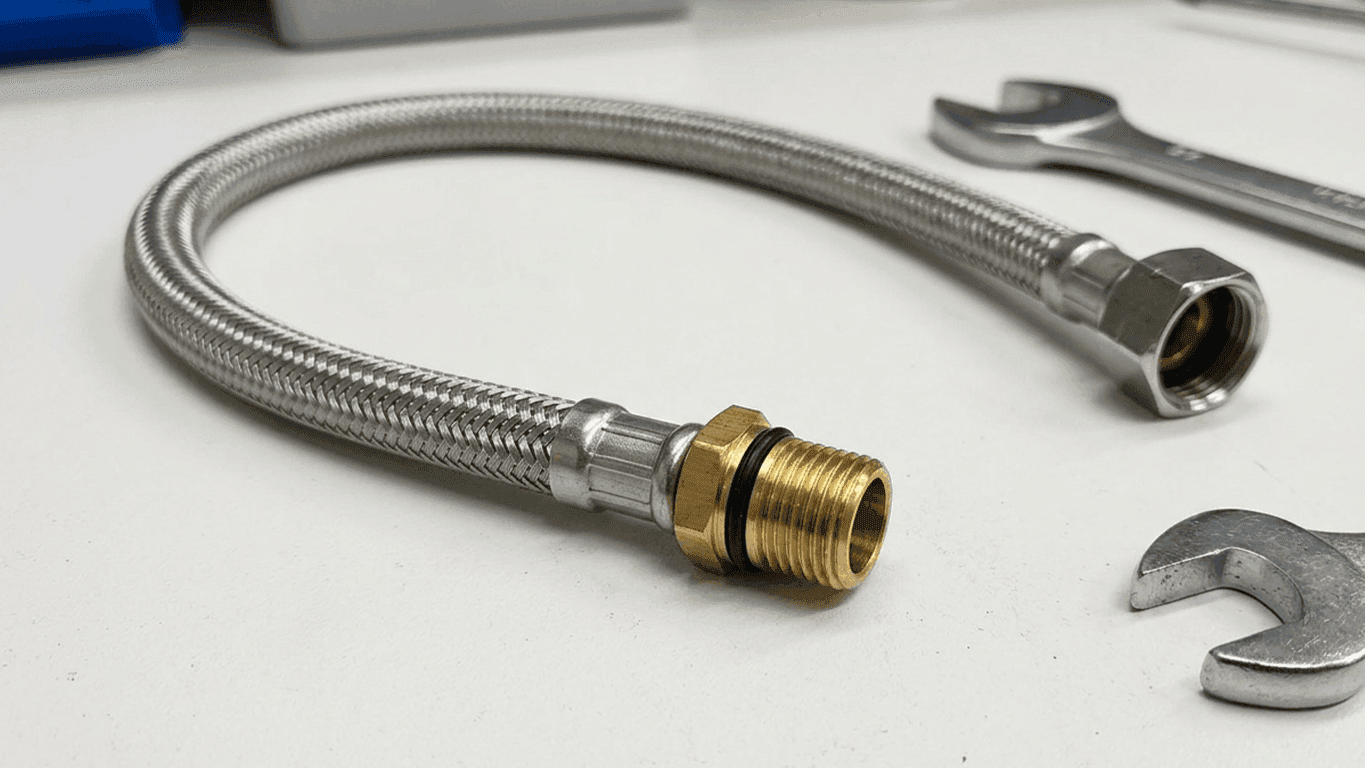
An extended fitting kit for a thick worktop, covered in our guide on tap connection sizes, adds £10 to £25.
Making good afterward, patching a wall where a concealed valve was fitted, or resealing around a basin, is sometimes charged separately rather than included in the headline quote.
Cost tip
Ask whether VAT is included in any quote before agreeing to it. Some sole traders aren't VAT registered and the price quoted is the full price, while others add 20% on top, which makes a meaningful difference when comparing quotes from different tradespeople.
Getting a fair quote
Get more than one quote where the job isn't urgent, and be specific about what you need, the tap you've bought or are considering, whether it's a like-for-like swap or a change in hole configuration, and the age of your existing pipework if you know it.
A plumber who can see photos of the current setup beforehand will usually give a more accurate quote than one working from a verbal description alone.
Being registered through CIPHE or listed with WaterSafe gives you some accountability if a job goes wrong, which is worth the small extra confidence over the cheapest quote available.
Mistakes worth avoiding
- Assuming every job is a simple swap. Seized valves and pipework changes are common enough that it's worth asking a plumber how they handle unexpected complications before they start.
- Not asking whether a call-out fee is included. Some quotes are all-in, others add a call-out charge on top, and the difference matters when comparing tradespeople.
- Forgetting VAT status when comparing quotes. A quote from a non-VAT-registered sole trader isn't automatically directly comparable to one that adds 20% on top.
- Skipping a second quote on anything beyond a simple swap. Prices for the same job can vary more than people expect between tradespeople in the same area.
- Not checking whether making good is included. Patching a wall or resealing a basin afterward is sometimes billed separately rather than folded into the headline price.
If you're weighing up doing the job yourself, our guide on installing a tap yourself covers exactly what's involved, so you can judge honestly whether it's within reach before committing either way.