The Tap Guide
It's a fair question, and one worth answering honestly rather than just telling you to spend more. A cheap tap isn't automatically a bad tap, but there are genuine trade-offs at the lower end that are worth understanding before you buy, so you know exactly what you're getting for your money either way.
The honest answer depends on where the tap is going and how it'll be used. A cheap tap in a rarely used cloakroom is a very different proposition to a cheap tap on your main kitchen sink, and we'll go through both sides properly below.
What "cheap" actually buys you
At the under £20 end of the market, you can still generally get a tap that mixes hot and cold reliably, doesn't leak out of the box, and meets the same basic UK water regulations as anything more expensive.
WRAS approval isn't reserved for premium products, and plenty of budget taps carry it, so the cheapest option on a shelf isn't automatically an unsafe or non-compliant one.
What you're less likely to get at this price is a smooth, precise feeling cartridge, a finish that stays looking sharp for a decade, or much in the way of warranty support if something does go wrong a year or two down the line.
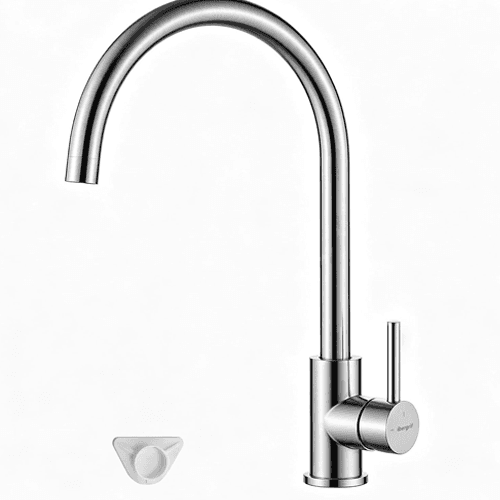
Our top pick right now
Where the money really goes as price increases
The cartridge, whether that's a traditional washer or a ceramic disc mechanism, is usually the single biggest difference between a £20 tap and a £100 one. Our guide on what a ceramic disc tap is covers this mechanism specifically, and cheaper cartridges tend to feel stiffer, less precise, and wear out sooner than better engineered ones.
Finish durability is the other major factor. A budget chrome finish can start showing wear at contact points, where your hand grips the lever most often, within a couple of years, while a better quality plating job holds up for a decade or more under the same daily use.
The genuine risks of the cheapest options
Beyond feel and finish, the practical risks of very cheap taps tend to be patchy or non-existent warranty support, and difficulty sourcing spare parts if a cartridge or seal needs replacing down the line.
A branded mid-range tap usually has parts available from the manufacturer for years after purchase, whereas a generic budget tap from an unfamiliar brand might not have any spares route at all once something wears out.
There's also more variation in build quality at the cheap end generally. Two taps at a similar low price point from different sellers can perform very differently, since there's less brand reputation on the line to keep quality consistent.
Where cheap taps make total sense
A rental property, a secondary bathroom that sees light use, or a tap you know you'll be replacing again within a few years as part of a bigger renovation, are all situations where spending more doesn't buy you much.
There's nothing wrong with choosing a budget tap here, and doing so isn't a false economy if the tap only needs to look decent and function reliably for a limited time.
If money's simply tight, a WRAS approved budget tap is still a perfectly safe, functional choice, and it's far better than delaying a repair or replacement that can't wait while saving for something pricier.
Where cheap taps are a false economy
Your main kitchen tap, used dozens of times a day for years on end, is exactly where the smoother cartridge and better finish durability of a mid-range tap tends to pay for itself.
The same goes for any tap that's awkward or expensive to access for a repair, where paying more upfront for a mechanism that's less likely to need attention early on saves real money over time.
Taps intended for anyone with limited grip strength or accessibility needs are also worth spending a bit more on, since a stiffer, less precise budget cartridge makes daily use noticeably harder rather than just less pleasant.
How to tell a decent budget tap from a bad one
Check for WRAS approval first, since it's a reliable minimum bar regardless of price. Look specifically for a ceramic disc cartridge rather than a traditional washer if you want the smoother, longer-lasting mechanism, and check whether any warranty is actually stated rather than just assumed.
Genuine, detailed reviews mentioning how a tap has held up after months or years of use are far more useful than a simple star rating average, which can be skewed by early reviews written before any long-term issues have had a chance to show up.
Buying secondhand or ex-display taps
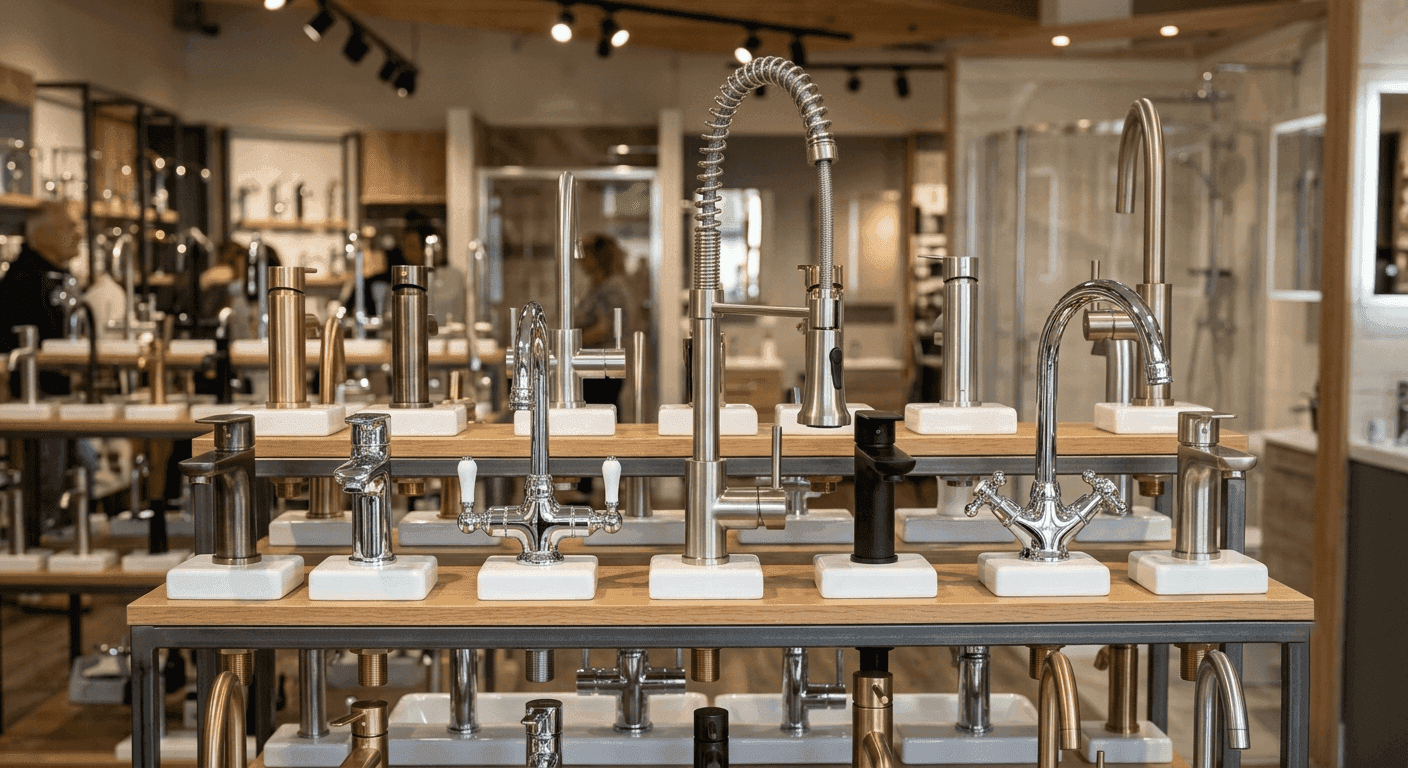
A premium tap bought secondhand or as an ex-display model from a bathroom showroom can sometimes work out cheaper overall than a new budget one, and it's worth considering if you're specifically after better cartridge quality and finish durability on a limited budget.
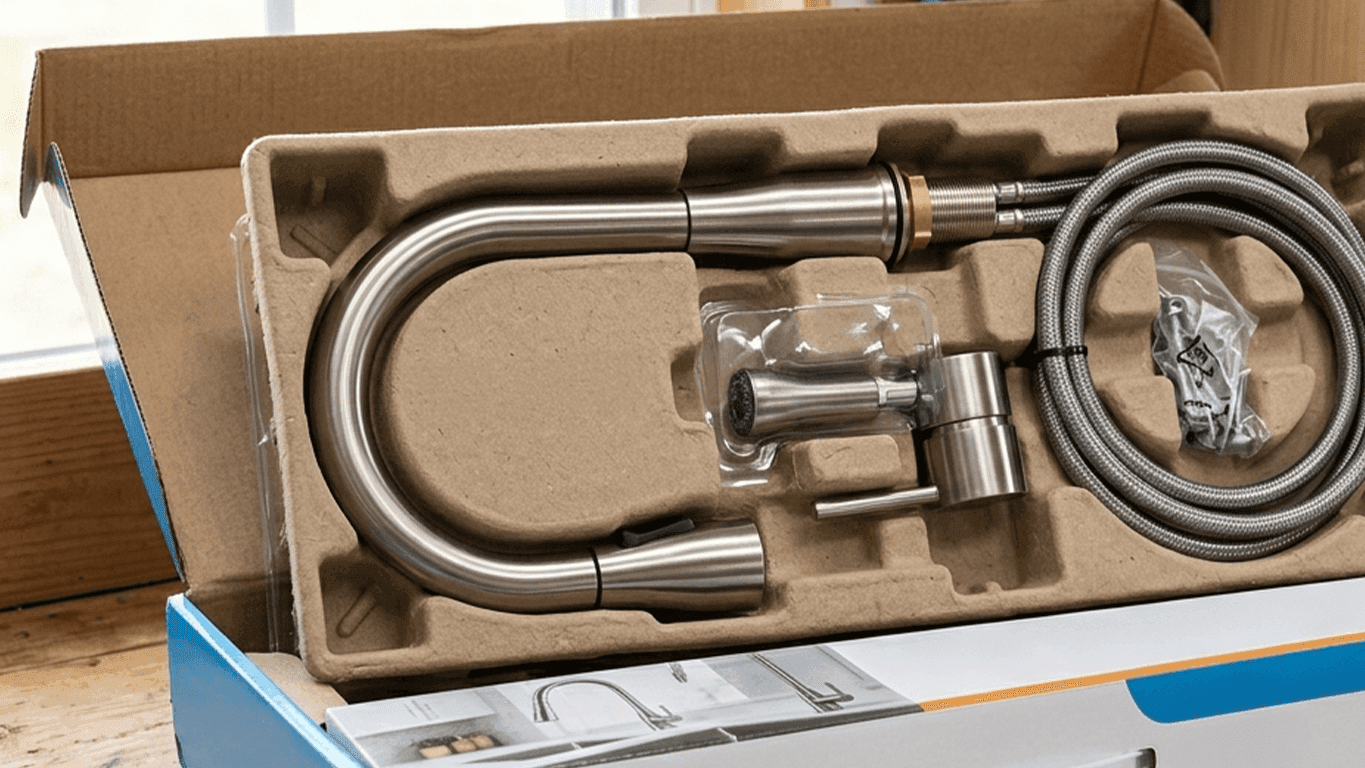
The main things to check are that all the original fixing kit and washers are included, since these are easy to lose and not always simple to source separately for an older model.
Ask whether the tap's ever actually been plumbed in and used, rather than just displayed, since a used cartridge has already begun its wear cycle even if the outside looks pristine. A genuine ex-display model that's never had water through it is generally a safer bet than one described vaguely as "used" with no further detail.
Before you buy
Check any tap you're considering against the WRAS approved fittings directory, particularly for budget options from unfamiliar or marketplace sellers, to confirm it actually meets UK water regulations rather than just claiming to.
Budget breakdown: what changes at each price point
Here's roughly what changes as you move up in price, based on what we saw at our last check. That's the tap alone; see our guide on what it costs to fit a tap for the installation side too.
Under £20: basic function only, usually a traditional washer mechanism, minimal or no stated warranty, and finish that may show wear within a year or two of daily use. Fine for occasional-use or short-term situations.
£20 to £50: a reasonable middle ground, often including a ceramic disc cartridge and a slightly better finish, with warranties typically starting to appear around the one to two year mark.
£50 to £120: a noticeably smoother cartridge feel, better finish durability, and warranties commonly extending to five years or more from established brands.
£120 and up: premium finish coatings, cartridges rated for very high cycle counts, and warranties that can run to ten years or a lifetime guarantee on the cartridge specifically, covered further in our tap brands guide.
Where cutting cost backfires
- Buying the cheapest option for your most heavily used tap. A kitchen tap used daily for years is exactly where paying a bit more tends to be worth it.
- Ignoring WRAS approval to save a few pounds. It's a genuine safety and compliance standard, not just a marketing badge, so don't skip checking it to shave a small amount off the price.
- Assuming a higher price always guarantees better quality. Some mid-priced taps from lesser known brands underperform taps costing less from a more established name, so check reviews rather than relying on price alone.
- Not checking warranty terms before buying. A tap with no stated warranty at all is a bigger risk than one clearly backed for a year or two, even at a similar price.
- Buying from a marketplace seller with no verifiable water regulations compliance. Stick to listings that clearly state WRAS approval or buy from an established retailer if you're at all unsure.
A cheap tap isn't automatically the wrong choice, it just needs to suit the job you're actually asking it to do.
For help narrowing down specific models across different budgets, our top 10 kitchen taps page is a good next stop, and our guide on how to choose a kitchen tap covers the wider decision beyond price alone. If it's an outdoor tap you're pricing up, our top 10 outdoor taps page covers frost-proof options at every budget too.