The Tap Guide

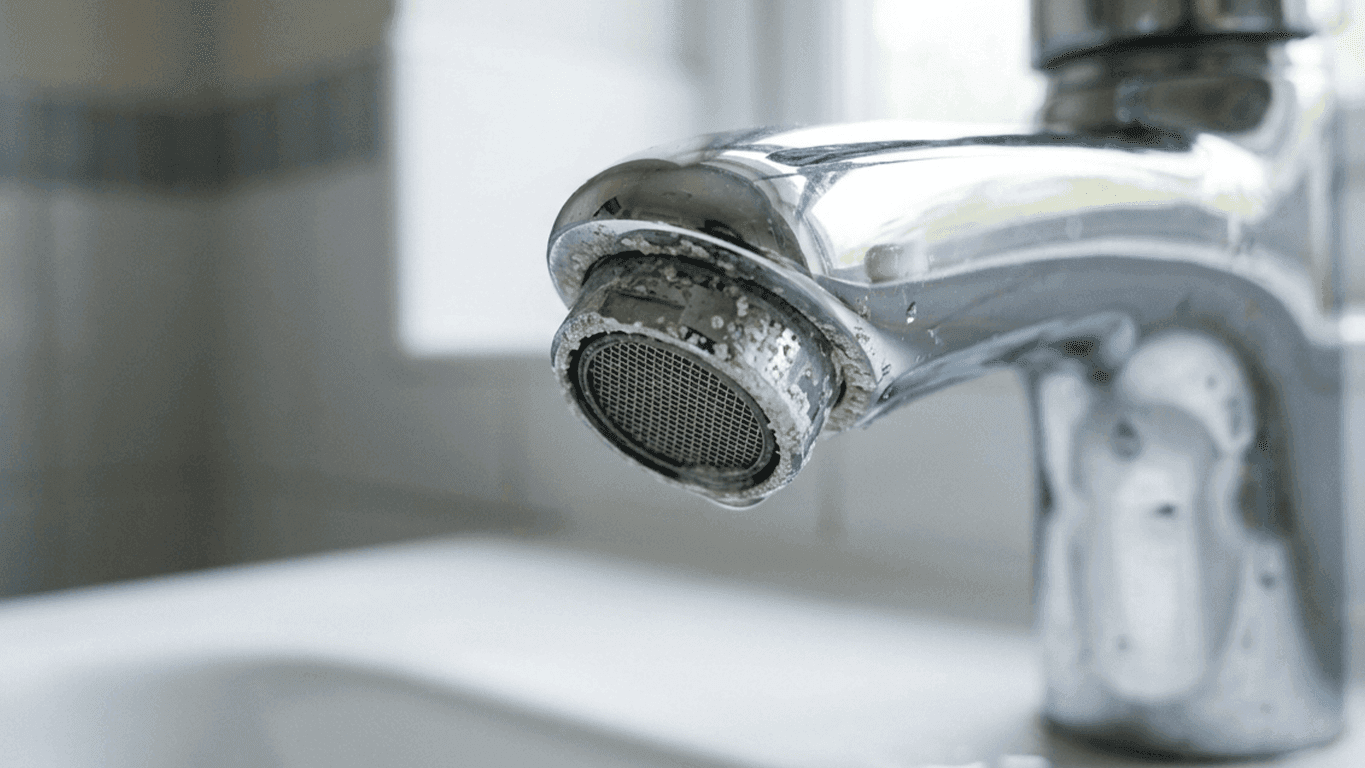
Hard water doesn't stop a tap working, but it does make life noticeably harder for it, and for you, coating the spout in white scale and clogging the internal cartridge faster than a soft water area ever would. Much of the south east and Midlands sits on hard or very hard water, while Scotland, Wales and the north west generally have it easier, so this is a genuinely common problem rather than a niche one.
If you're in one of these areas, the tap you buy can genuinely change how often you're scrubbing limescale off the spout rather than just enjoying it, and a handful of features, covered below, make a real practical difference to how much upkeep it actually needs.
Our top pick right now
How hard is your water, really?
Most UK water suppliers publish an area-by-area hardness map or a postcode checker on their website, and it's worth a two minute look before deciding how seriously to take any of this. Hardness is usually given in milligrams of calcium carbonate per litre: under around 100mg/l is considered soft, 100 to 200mg/l moderately hard, and above 200mg/l hard to very hard, which is where limescale becomes a genuine daily nuisance rather than an occasional wipe-down.
Your water bill will name your supplier if you're not sure who it is, and a quick search for their name plus "water hardness checker" usually brings up a postcode lookup directly.
Finish matters more than it does elsewhere in the UK
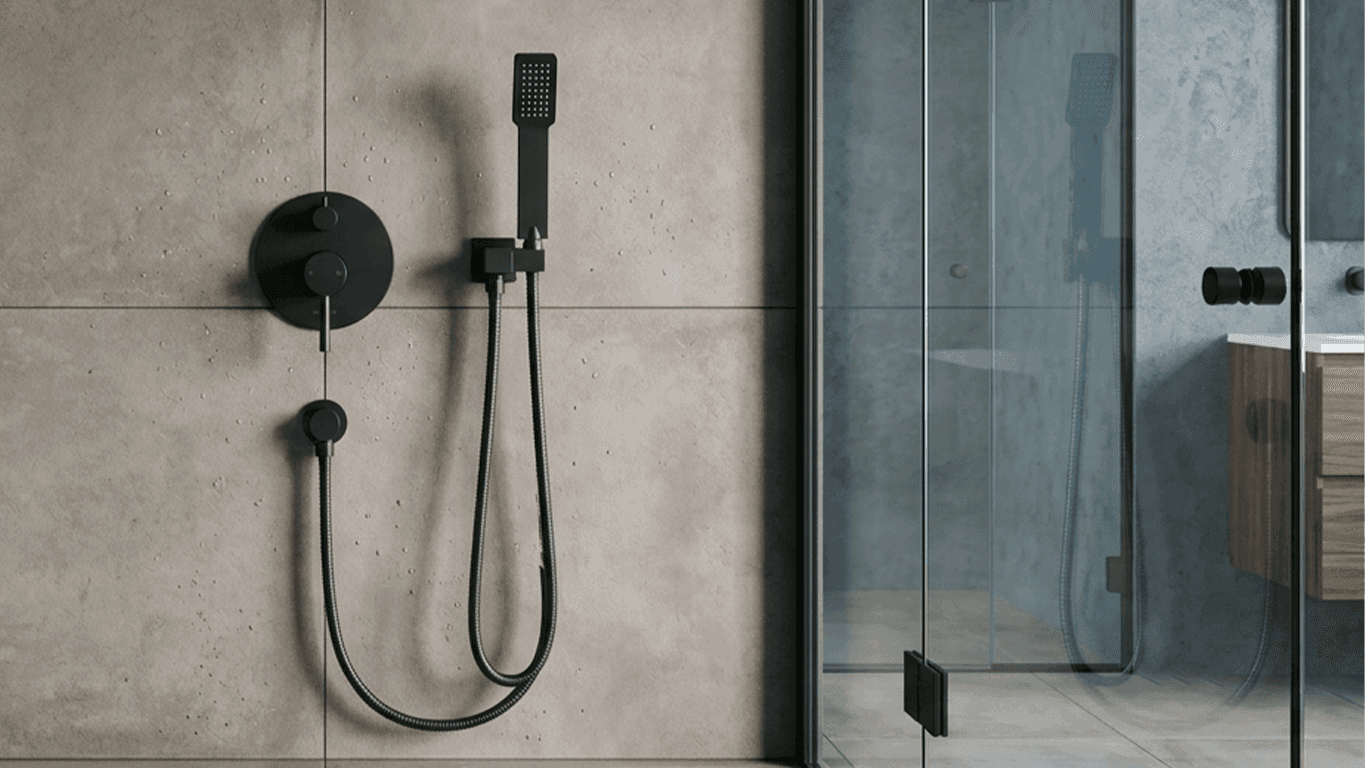
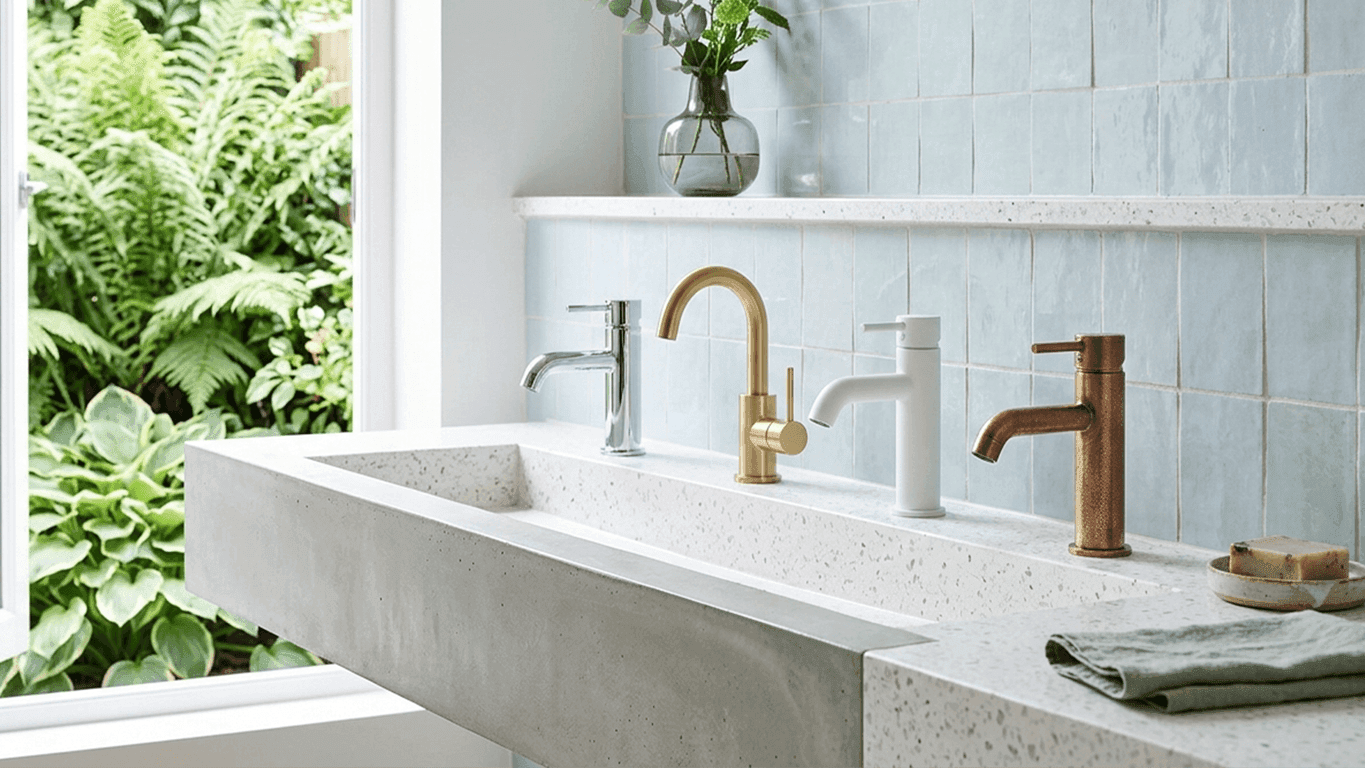
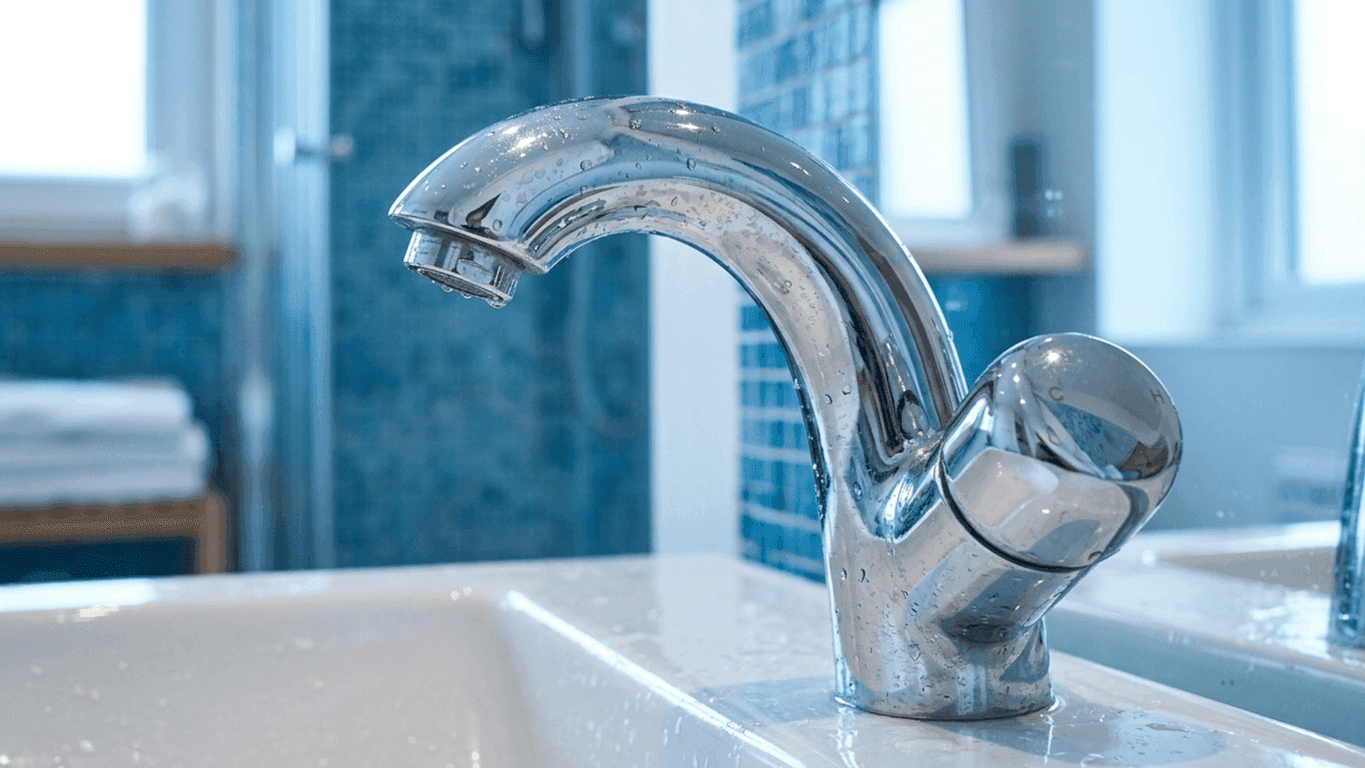
Chrome remains the easiest finish to keep looking clean in hard water, since limescale marks show up clearly and wipe off easily with a cloth and a mild descaler. Matt black and brushed finishes look striking but show water spots more visibly in a hard water area, and some manufacturers' proprietary anti-limescale coatings, such as Grohe's StarLight chrome, genuinely do resist spotting somewhat better than a standard finish. Our guide to tap finishes covers the full comparison.
Cartridge quality affects more than just the handle feel
A basic or poorly sealed cartridge wears out faster in hard water, since limescale works its way into the seals and moving parts over time. Established brands with a strong warranty, covered in our guide to tap brands in the UK, tend to use better sealed ceramic disc cartridges that hold up longer under the extra mineral load a hard water area puts on them.
Features worth prioritising
- A pull-out or pull-down spray head with a flexible nozzle. These are usually easier to descale by hand than a fixed aerator, since the nozzle often has a simple rubber-nub design you can wipe clean.
- Check whether the aerator is removable. One that unscrews easily is far quicker to descale than one that's sealed into the spout, so it's worth checking the spec or asking before you buy if this isn't obvious from photos.
- Favour a longer warranty where you can. Not because hard water voids a shorter one, but because it's a reasonable proxy for how confident the manufacturer is in the cartridge's long-term durability.
- Pick simple, smooth shapes. Knurled handles, tight joints and sharp internal corners all trap scale, while a smooth spout and base can be wiped clean in seconds.
- Make sure you can buy a spare cartridge. In hard water the cartridge is the part most likely to need replacing, so a brand that sells spares keeps a good tap going for years instead of ending up in the bin.
Kitchen taps in a hard water area
The kitchen tap gets the heaviest use in the house, so it's where hard water shows first. Spray heads with rubber nozzles are the easiest to keep flowing, since you can rub the scale off each nozzle with a thumb rather than soaking the whole head.
Boiling water and filter taps need extra thought. Anything that heats water builds scale far faster than a cold supply, which is why these taps rely on a filter cartridge to protect the tank. In a hard water area that filter works harder and needs changing more often, so check the replacement cost and interval before buying. Our boiling water and filtered taps guide covers running costs in more detail.
Bathroom and shower taps
Thermostatic shower valves are the bathroom fitting most affected by hard water. Scale inside the thermostatic cartridge slowly stops it reacting to changes in pressure, so the temperature starts to drift or the valve gets stiff to turn. Choose a valve with a cartridge you can reach and replace easily, and descale the shower head regularly so it doesn't add back pressure to the whole system.
Waterfall basin and bath taps are the other one to think twice about. Their wide, open outlet leaves a chalky line along the lip after almost every use, which is fine if you're happy to wipe it daily but frustrating if you're not.
Looking after a new tap from day one
The easiest limescale to deal with is the scale that never gets a chance to build up. Wiping the spout and base dry after use takes seconds and stops most water spots forming at all, which matters most on black and brushed finishes where marks show clearly.
Once a month, unscrew the aerator and soak it in a mild descaling solution such as diluted white vinegar or citric acid, then rinse it before refitting. On a pull-out spray head, rub the rubber nozzles clean with your thumb while the water runs. Keep strong acids and abrasive pads away from coated finishes, since they strip the protective layer that makes a good tap easier to clean in the first place.
If you're not sure how hard your water is yet, a few everyday clues help. Soap that won't lather easily, a crust in the kettle within a few weeks of descaling, and white marks on glasses after the dishwasher all point the same way, and our limescale cleaning guide covers what to look for in more detail.
What buying the right tap won't solve
No finish or cartridge stops limescale forming in a genuinely hard water area, it only makes the eventual clean-up easier. A regular cleaning routine still matters more day to day than the tap itself, covered fully in our guide to cleaning limescale from taps, and worth doing noticeably more often here than the general guidance there suggests, since scale simply builds back up faster above 200mg/l.
If limescale is a serious ongoing problem across your whole home rather than just your taps, a whole-house water softener is a separate, bigger decision worth researching on its own merits.
If you fit a water softener
A softener changes what you need from your kitchen tap. Softened water contains more sodium than ordinary mains water, so UK guidance is to keep at least one tap on an unsoftened cold supply for drinking and cooking, and not to use softened water for making up baby formula.
Most installers handle this by leaving the kitchen cold tap on the mains, or by fitting a separate drinking water tap beside the main one. Plan this before the softener goes in, since it decides how the pipework under the sink is laid out.
Ready to compare specific models? Our top 10 kitchen taps and top 10 bathroom taps pages are a good next step.