The Tap Guide
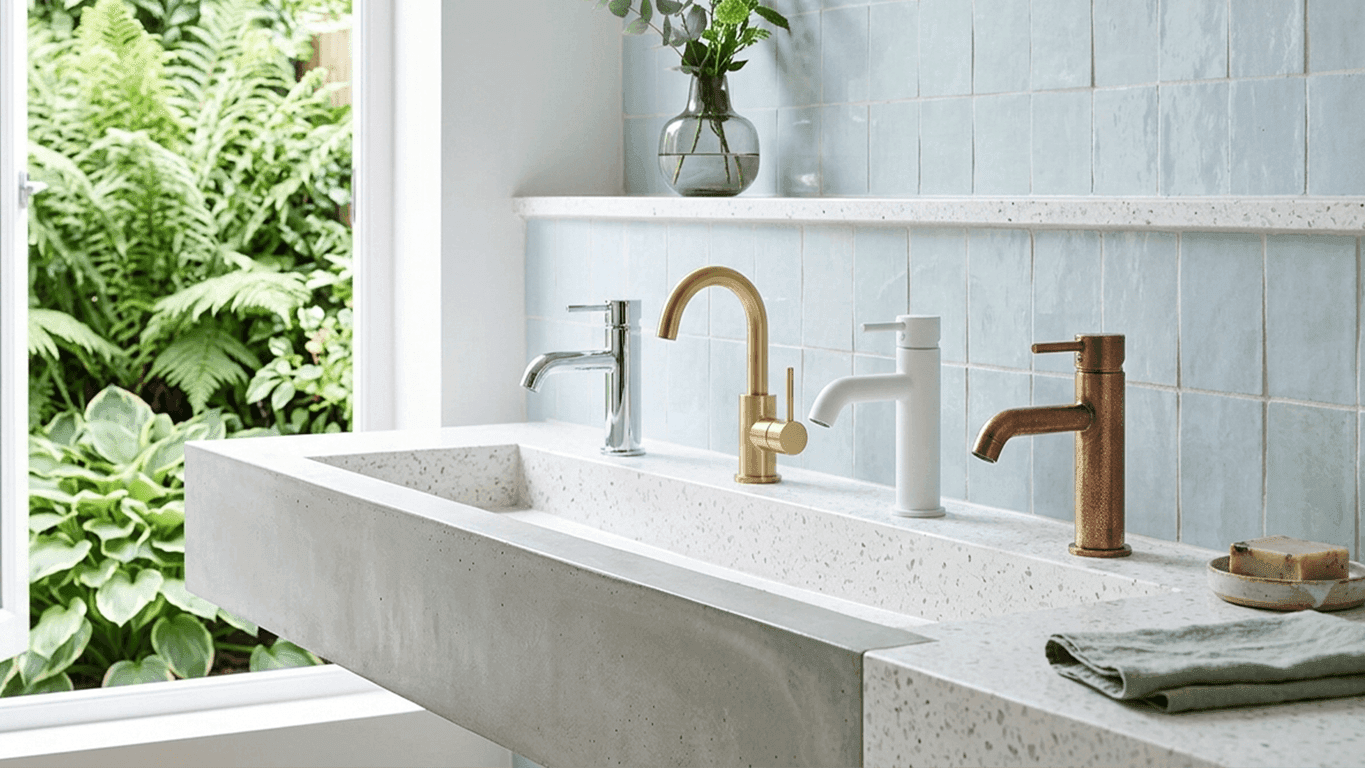
Choosing a tap finish used to mean picking chrome or, if you were feeling bold, chrome. That's changed a lot in the last decade, and now most ranges offer at least four or five finishes on the same tap body.
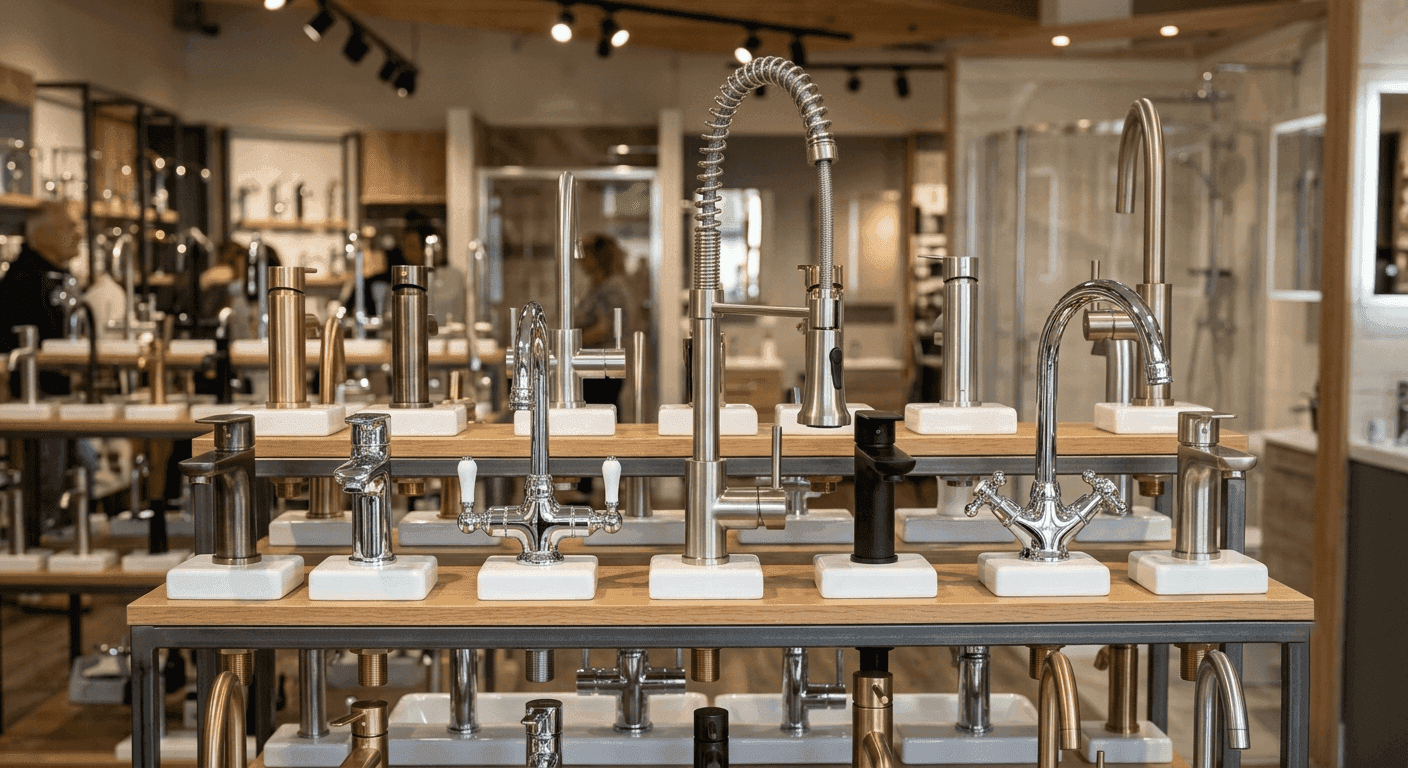
Which sounds great until you're stood in a showroom trying to work out whether brushed steel will actually look tired in a few years, or whether matt black is going to show every water spot in your kitchen. Here's what actually matters once a tap is fitted and in daily use, not just how it photographs in a showroom.
Chrome: the reliable default
Chrome is still the finish most taps are sold in, and there's a good reason for that beyond it simply being cheap. It's a hardwearing electroplated finish that shrugs off scratches from cutlery, pan handles and cleaning cloths far better than most alternatives, and because almost every manufacturer has been making chrome taps for decades, quality control on the finish itself is generally excellent even on budget ranges.
If you're weighing up options for a new kitchen tap, our guide to choosing a kitchen tap goes into the practical side of picking the right one for your sink.
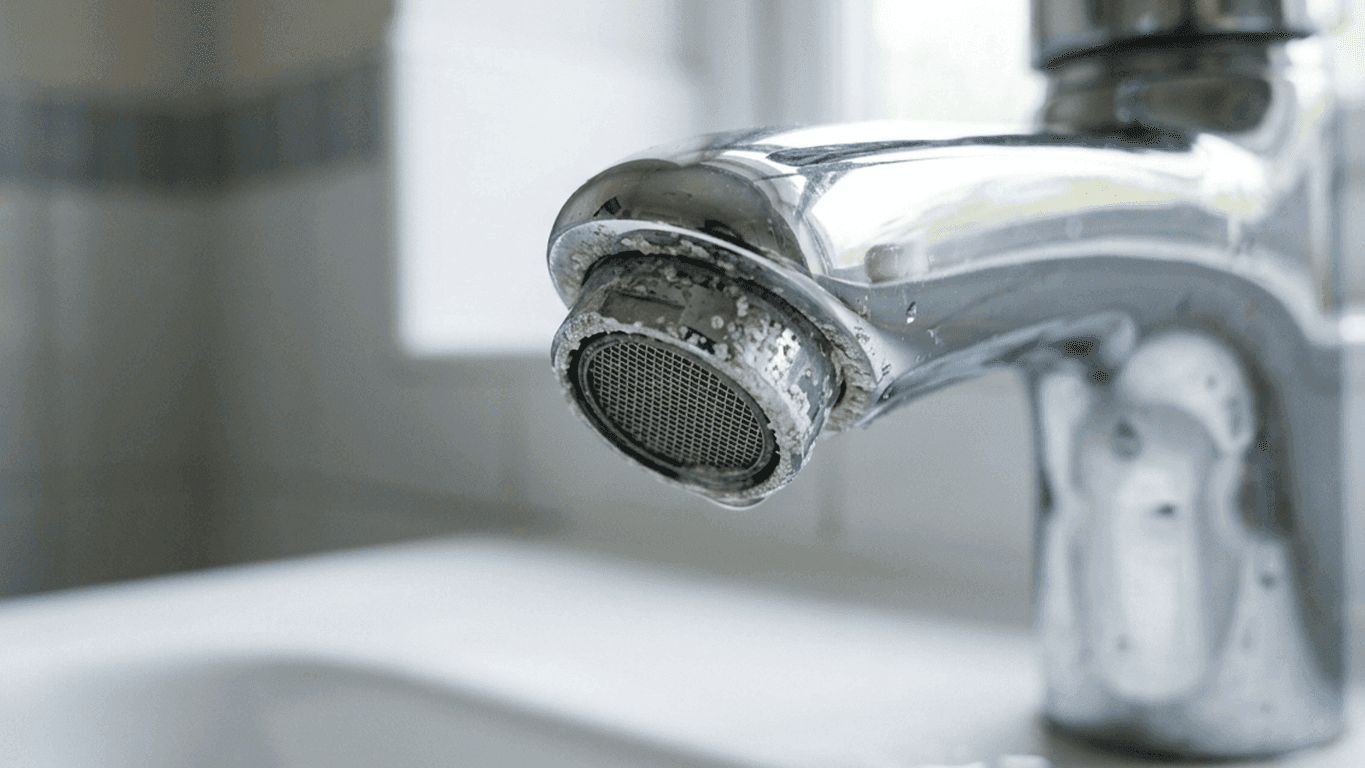
The downside is cosmetic rather than functional. Chrome shows watermarks and fingerprints more readily than brushed or matt finishes, particularly in hard water areas where limescale deposits leave a hazy film if you don't wipe the tap down after use.
It's not a difficult fix, just a quick buff with a microfibre cloth, and our guide to cleaning limescale from taps covers the products and techniques that actually shift limescale without scratching the surface.
Chrome suits pretty much any kitchen or bathroom style, from a period cottage to a glossy contemporary scheme, which is part of why it's remained the default for so long.
Brushed nickel and brushed steel
Brushed nickel and brushed steel (sometimes labelled brushed chrome, which is a slightly different process but looks and behaves similarly) have become the finish of choice for a lot of new bathrooms and kitchens over the last few years. The texture is created by a light mechanical brushing during manufacture, and that texture does real work: it scatters light rather than reflecting it in a single sharp point, which means fingerprints and watermarks are far less visible day to day than on chrome.
If you've got young kids leaving handprints on everything or you just don't want to be wiping the tap down constantly, this matters more than it sounds like it should.
It also has a warmer, softer visual quality that suits both contemporary schemes and slightly more traditional ones, sitting somewhere between the cool shine of chrome and the deeper tone of brass. Brushed finishes do pick up limescale the same as any other, it's just harder to see against the textured surface, which can occasionally mean it builds up for longer before anyone notices.
A monthly wipe with a limescale remover keeps on top of it.
One genuine durability note: if the brushed texture is only a thin surface treatment rather than a properly finished layer, heavy contact points like the lever handle can polish smooth over years of use, leaving a shinier patch that stands out against the rest of the tap.
Sticking to a known brand reduces this risk considerably, and our guide to tap brands in the UK covers which manufacturers have a solid track record on finish durability.
Matt black
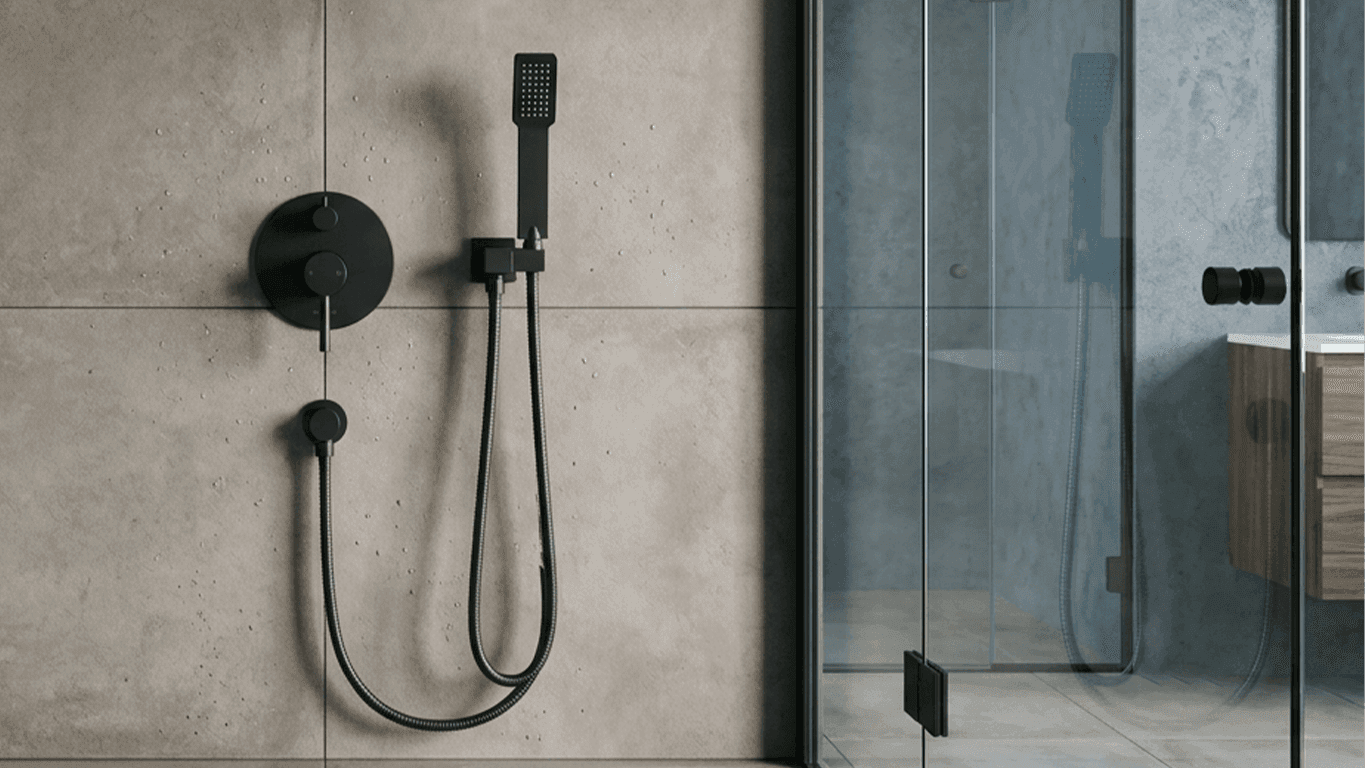
Matt black has moved from a niche design choice to a mainstream option, and it's easy to see why. It gives a kitchen or bathroom real presence, works brilliantly against white or pale worktops and tiles, and pairs naturally with industrial or Scandinavian style schemes.
It also suits darker, more dramatic bathrooms where a shiny chrome tap would look a bit out of place against black tiles or a dark vanity unit.
Where matt black behaves differently to every other finish on this list is limescale. Because the surface doesn't reflect light in the same way chrome does, dried limescale and hard water spots show up as pale, chalky marks rather than a subtle haze, and they can look quite stark against the dark background if left to build up.
In hard water areas across much of the south and east of England this is worth thinking about seriously before you commit, since it means more frequent wiping down than you'd need with chrome or a brushed finish.
Cheaper matt black coatings are also more prone to wearing at contact points, the lever, the spout base, anywhere your hand or a cloth makes regular contact, gradually revealing a shinier patch underneath.
This isn't universal, some coatings hold up far better than others, but it's worth reading independent reviews on a specific model's durability rather than assuming all matt black taps age the same way.
Good to know
Matt black taps are usually a PVD (physical vapour deposition) coating over a chrome or brass base rather than a solid black material all the way through, so any deep scratch will reveal the layer underneath rather than more black. This is standard across the industry and not a sign of a poor product, but coating quality does vary noticeably between manufacturers.
Brass, and the unlacquered brass question
Brass covers a surprisingly wide range of looks, from a bright, shiny lacquered polished brass that suits a traditional or period bathroom, to warmer brushed or antique brass finishes that work well in more contemporary settings too.
Lacquered brass has a clear protective coating over the metal, much like lacquered chrome, and behaves in a fairly predictable way: it resists tarnishing and stays close to its original colour for years, though the lacquer itself can eventually wear thin at contact points and need refinishing or replacing.
Unlacquered, or "living", brass is a different proposition entirely and it's worth understanding before you buy one.
Without a protective coating, the raw brass reacts with air, water and the oils on your hands, and it will darken and develop a patina over months and years, often unevenly at first around the handle and spout where it's touched most.
Some people love this, it gives a characterful, aged look that lacquered finishes can't replicate, and it's popular in period properties and characterful kitchens for exactly that reason. But if you want a tap that looks the same on day one and day one thousand, unlacquered brass isn't for you, and no amount of polishing will stop it patinating again once you stop.
If you're set on a brass look but want it to stay consistent, choose a lacquered finish and expect to have it professionally refinished every several years rather than trying to maintain unlacquered brass as if it were chrome.
What each finish costs compared to chrome
The percentages below are a general pattern that holds fairly steady across manufacturers rather than a fixed formula, and worth treating as ballpark rather than exact. Price is one of the clearest ways to think about these finishes, because the gap between them is fairly consistent across most manufacturers and price points.
Chrome is the baseline and usually the cheapest option on any given tap model, since it's the simplest and most established process to produce at scale. Brushed nickel and brushed steel typically add somewhere around 15 to 30% over the equivalent chrome tap, reflecting the extra brushing process during manufacture.
Matt black and brass finishes tend to sit higher again, often 30 to 60% more than chrome on the same tap body, and sometimes more on premium ranges.
Part of this is the PVD coating process itself, which is more involved and costs more to apply consistently than standard chrome plating, and part of it is simply that these finishes are marketed as a premium choice.
It's rarely worth buying the cheapest matt black or brass tap you can find purely to save money, since coating quality is exactly where budget ranges tend to cut corners, and a poor coating wearing through within a year or two costs you more in the long run than paying properly for a decent one upfront.
If you're working to a tight budget, our top 10 kitchen taps and top 10 bathroom taps lists include options across price points with a note on which ones hold their finish well.
Mixing finishes in one room
You don't need to match every metal finish in a kitchen or bathroom exactly, and in a lot of modern schemes deliberately mixing them is part of the design.
A brushed steel tap alongside chrome cabinet handles and a black light fitting can look considered rather than mismatched, provided there's some logic to it, usually one dominant finish with one or two accents rather than three or four competing for attention in equal measure.
What trips people up more often is unintentional mixing: fitting a smart matt black tap next to a chrome towel radiator and chrome shower fittings that were never part of the plan, which reads as inconsistent rather than deliberate. If you're renovating in stages, it's worth deciding on your finish palette for the whole room before you buy the first fitting, even if the rest gets replaced later.
Whatever finish you land on, it's still worth checking that the tap itself is a genuine WRAS approved fitting, since that's a separate question to the finish and covers whether the internal components are safe for use on the UK mains water supply.
You can check approved products directly on the WRAS website, and if you're at all unsure about installation, the CIPHE has a directory of registered plumbing engineers who can fit it properly.
Mistakes worth avoiding when choosing a finish
- Choosing a finish purely from a showroom sample under bright lighting. Showroom spotlights flatter almost every finish, especially brushed and matt options. Ask to see the tap under normal lighting, or check photos of it fitted in a real kitchen, before committing.
- Buying the cheapest matt black or brass tap available. These finishes rely heavily on coating quality, and budget ranges are exactly where that quality gets cut. A cheap coating wearing through in a year costs more than paying properly the first time.
- Choosing unlacquered brass without knowing it will patina. If you want a tap that looks identical in five years, unlacquered brass is the wrong choice. It's designed to age and darken, and that's a feature, not a fault.
- Ignoring your water hardness when picking matt black. In hard water areas, matt black shows chalky limescale marks more starkly than chrome or brushed finishes, and needs wiping down more often to look its best.
- Mixing finishes without a plan. A deliberate mix of two complementary finishes looks considered. Ending up with three or four clashing finishes because fittings were bought at different times rarely does.
- Forgetting to check the tap is a genuine WRAS approved fitting. This is separate from the finish entirely and covers the safety of the internal components on the mains water supply, so don't assume it purely because a tap looks well made.
There's no single correct answer here, only the right one for how you actually live in the room.
If your household is hard on kitchen taps and you'd rather not think about it, chrome remains the sensible, low maintenance choice. Brushed steel or nickel earns its slightly higher price if you want something a bit warmer that hides everyday marks. And if you're after real character, whether that's the sharp look of matt black or the ageing warmth of unlacquered brass, just go in with your eyes open about the extra care each one asks for.
Once you've settled on a finish, our kitchen tap buying guide and tap installation guide cover the practical side of getting the right style fitted properly.